Spencer Clarke Group: Educational Psychology Workforce Insights Report 2025
08 Jan, 20261-2 minutes


Introduction
2025 has been a demanding year for the educational psychology sector and those working within it. With government figures confirming a 15.7% increase in the number of Education, Health and Care Needs Assessments carried out between 2023 and 2024, Educational Psychologists (EP) feel ‘stretched beyond demand’.
A lack of funding, especially within local authorities (LA), has left Educational Psychologists feeling burnt out, with 31.6% of Educational Psychologists saying the demands of their role ‘always’ exceed the time and resources available to them.
To obtain a thorough insight into the educational psychology sector in 2025, we spoke to Educational Psychologists across the UK to uncover the state of the sector.
Following on from the SCG Educational Psychology Workforce Insights Report 2024, we explore funding, training, industry challenges, policies and more. We also uncover how Educational Psychologists have navigated mental health challenges amongst children and young people (CYP) in 2025.
Our report aims to dissect the opportunities and challenges experienced by Educational Psychologists in 2025 using data from practising Educational Psychologists. Throughout the report, we will draw on comparisons to last year's findings, in order to assess if and how the sector has evolved.
Local authorities, private practices and policymakers can use this report to gain a clearer picture of the educational psychology sector today and identify areas that require change and transformation. Our report can also be used to recognise the incredible work of Educational Psychologists who ensure all children and young people have access to a fair and successful education.
Key findings
- 31.6% of Educational Psychologists believe the demands of their role ‘always’ exceed the time and resources available to them.
- 73.7% of Educational Psychologists believe it is ‘very important’ to keep up with sector changes.
- 78.9% of Educational Psychologists have noticed significant trends or changes in the needs of students and schools within the last 5 years.
- 31.6% of Educational Psychologists ‘strongly disagree’ that they have adequate input in shaping educational policies.
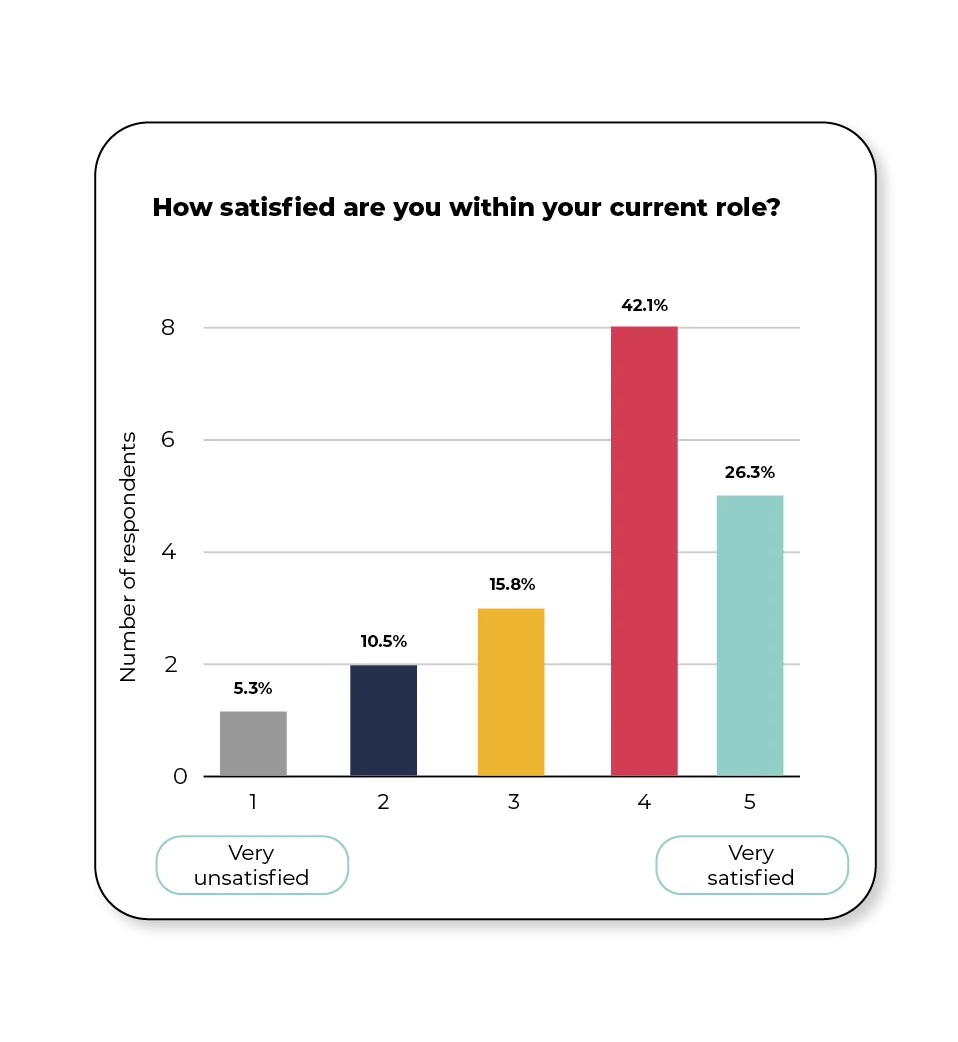
- 26.3% of Educational Psychologists claim to be ‘very satisfied’ within their role.
- Educational Psychologists note an increase in Emotionally Based School Avoidance (EBSA).
- Educational Psychologists highlight a demand for Education, Health and Care Needs Assessments (EHCNA).
- Educational Psychologists believe that a lack of funding in local authorities is leading to staffing shortages and cuts to early intervention.
An overview of educational psychology in 2025
Describing themselves as ‘stretched beyond demand’, 2025 appears to have been a challenging year for Educational Psychologists. With 31.6% of respondents claiming the demands of their role ‘always’ exceed the time and resources available to them, burnout continues to be a concern for many Educational Psychologists.
Based on the opinions collected throughout this report, there are varying reasons for this finding, including:
- There are too few Educational Psychologists compared to the demand for services.
- There is an increased demand for Education, Health and Care Needs Assessments and Educational Psychologists are under pressure to clear the backlog.
- Demanding workloads are leaving no time for Educational Psychologists to conduct follow-ups with schools.
- Balancing statutory demands (set by the government) alongside other aspects of the role can be difficult.
- The requirements of report writing and volume of report requests, coupled with a lack of admin support, means the role is becoming increasingly demanding.
- Educational Psychologists are concerned that their framework does not allocate a sufficient amount of time for the varying responsibilities they are expected to uphold.
One respondent said, “The rapid increase in EHCNAs has stripped many services of their availability for other types of work.”
Another respondent said, “The amount of time allocated to different activities within the framework is getting shorter and shorter, while the work requirements for each either stay the same or increase. Yet, if it's in the framework, we're expected to get it done - and to a high standard - no matter what.”
A third Educational Psychologist stated, “Educational Psychologists are a valuable resource that is being worn down, wasted, and pushed out of the public services.”
With last year's findings highlighting a lack of funding within local authority, it appears that this challenge is still impacting the service of Educational Psychologists in 2025.
One Educational Psychologist said, “Low funding and resources for councils and local authorities means cuts to staffing as well as cuts to early intervention.”
As Educational Psychologists continue to navigate mental health challenges amongst children and young people, 2025 has witnessed the increased pressure this has put on their services. Alongside the prevalence of mental health concerns in children and young people, Emotionally Based School Avoidance appears to be a rising challenge for Educational Psychologists. Some have attributed this to a long-lasting effect of the COVID-19 lockdown.
With just 26.3% of Educational Psychologists claiming to be ‘very satisfied’ within their role, compared to 35% last year, job satisfaction has declined.
However, like in 2024, Educational Psychologists continue to be optimistic about their role in shaping the education of children and young people.
One respondent said, “(I’m motivated by) the opportunity to positively contribute to a young person’s life opportunities.”
How satisfied are you within your current role?
Training
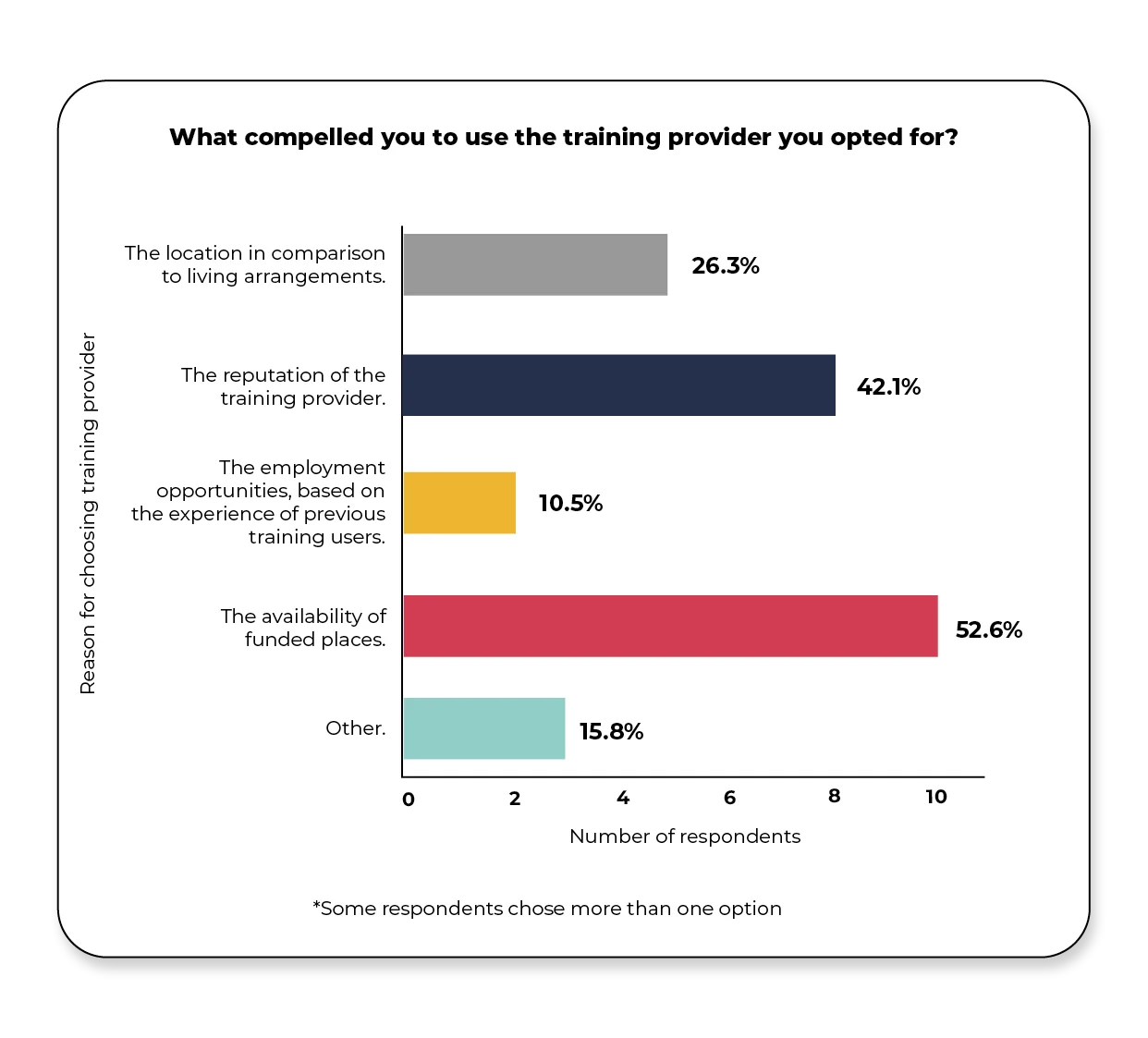
Throughout 2025, the training required to become an Educational Psychologist has continued to divide opinion, with the quality and availability varying based on the location of the training provider.
One respondent said, “The training, where available, is good but there are far too few spaces and far too many of them are centralised in the big cities. This makes it very difficult for those who are not from wealthy backgrounds and who live outside of the big cities to access them, and it is increasingly pricing out potential students from disadvantaged backgrounds.”
Our report also uncovered that opportunities for professional development are lacking. One Educational Psychologist highlighted how only some local authorities offer specialist roles. The requirement for a career structure with broader options, for those who want to develop specialist skills but don’t want to pursue a managerial role, was also noted as lacking.
One respondent presented their desire to pursue Continuous Professional Development (CPD) around mental health, an area which continues to demand the skills of Educational Psychologists. A lack of professional development opportunities within local authority appears to be driving Educational Psychologists towards private work.
One Educational Psychologist said, “Local Authorities do not have the funding to provide competitive job roles. Working privately is more lucrative and wide ranging for Educational Psychologists, but this leaves nobody in local authorities to support Trainee Educational Psychologists. Assistants get stuck due to the bottleneck in training spaces.”
Another Educational Psychologist said, “Once qualified, there are very limited professional development opportunities, with EPs stagnating in their careers, unable to pursue areas of interest, and therefore turning to private work to progress their careers and take on work aligned with their passions.”
How would you describe the current state of training and professional development opportunities for Educational Psychologists in the UK?
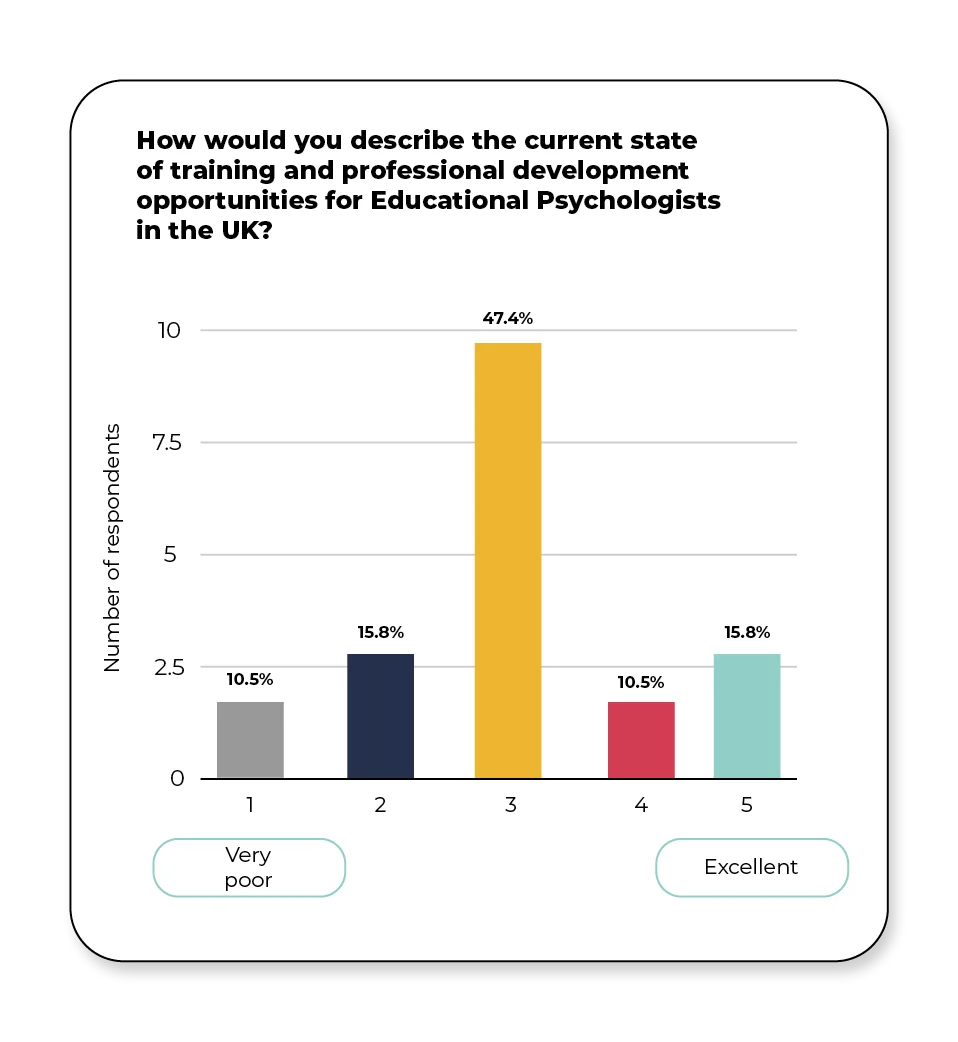
The SCG Educational Psychology Workforce Insights Report 2024 uncovered concerns regarding the reliance from universities on local authorities (LAs) to offer trainee placements. However, our 2025 findings suggest that universities are not offering enough places to train as an Educational Psychologist. As a result, Educational Psychologists fear that there are not enough individuals entering the profession.
What compelled you to use the training provider you opted for?
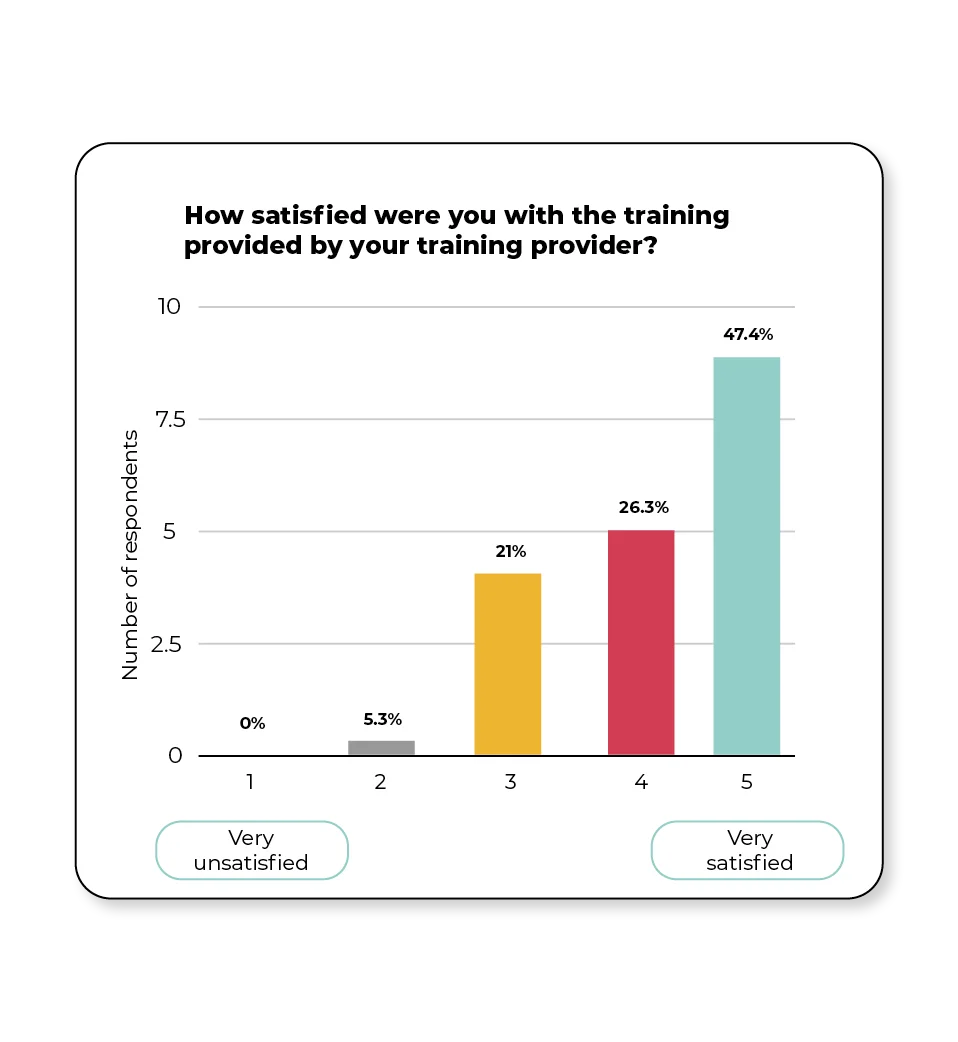
How satisfied were you with the training provided by your training provider?
Do you believe there is adequate support for newly qualified Educational Psychologists?
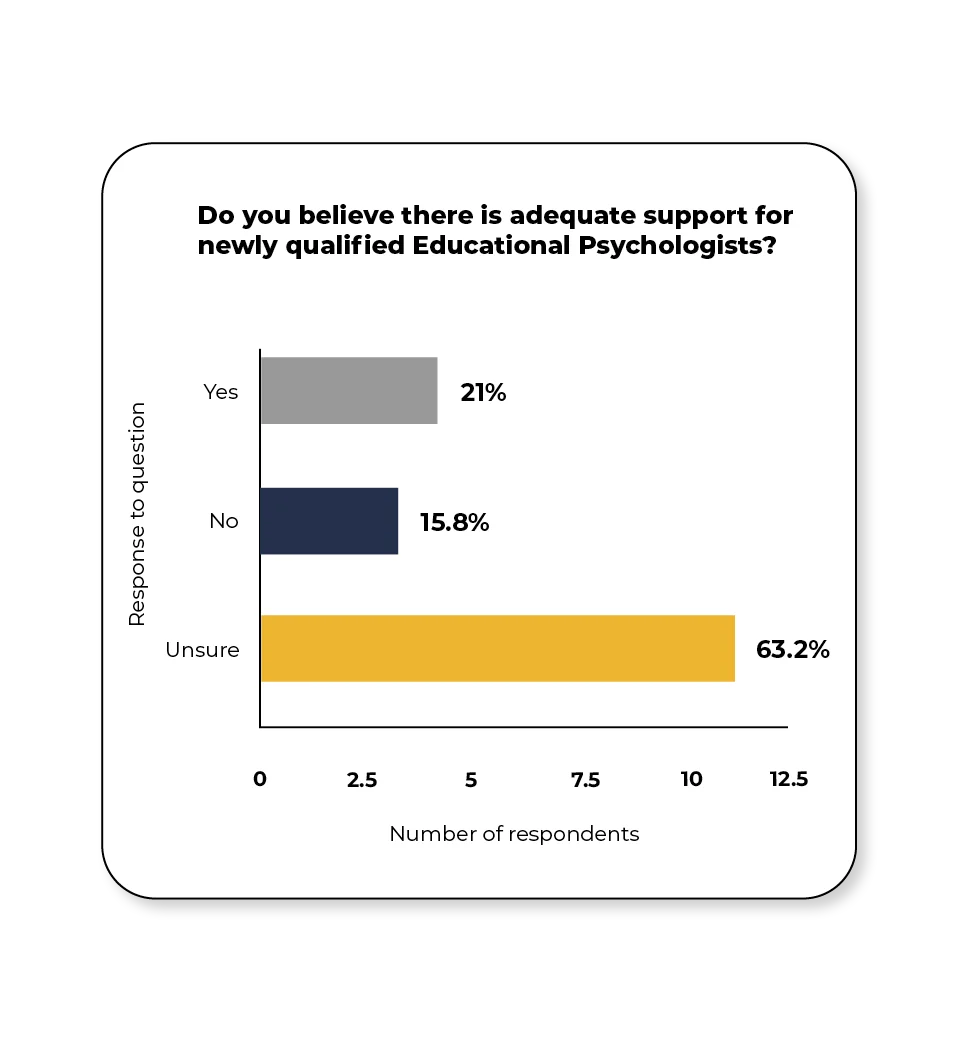
Regarding the support provided to newly qualified Educational Psychologists, our report found that supervision from experienced Educational Psychologists is essential, however due to the demands of the role, can sometimes fall short.
One respondent also outlines that experienced Educational Psychologists sometimes sit in senior roles for over ten years, meaning there can be little movement for progression within the sector. This formulates the idea that newly qualified Educational Psychologists are more likely to pursue a career within private practice, rather than local authority work.
Trends within educational psychology
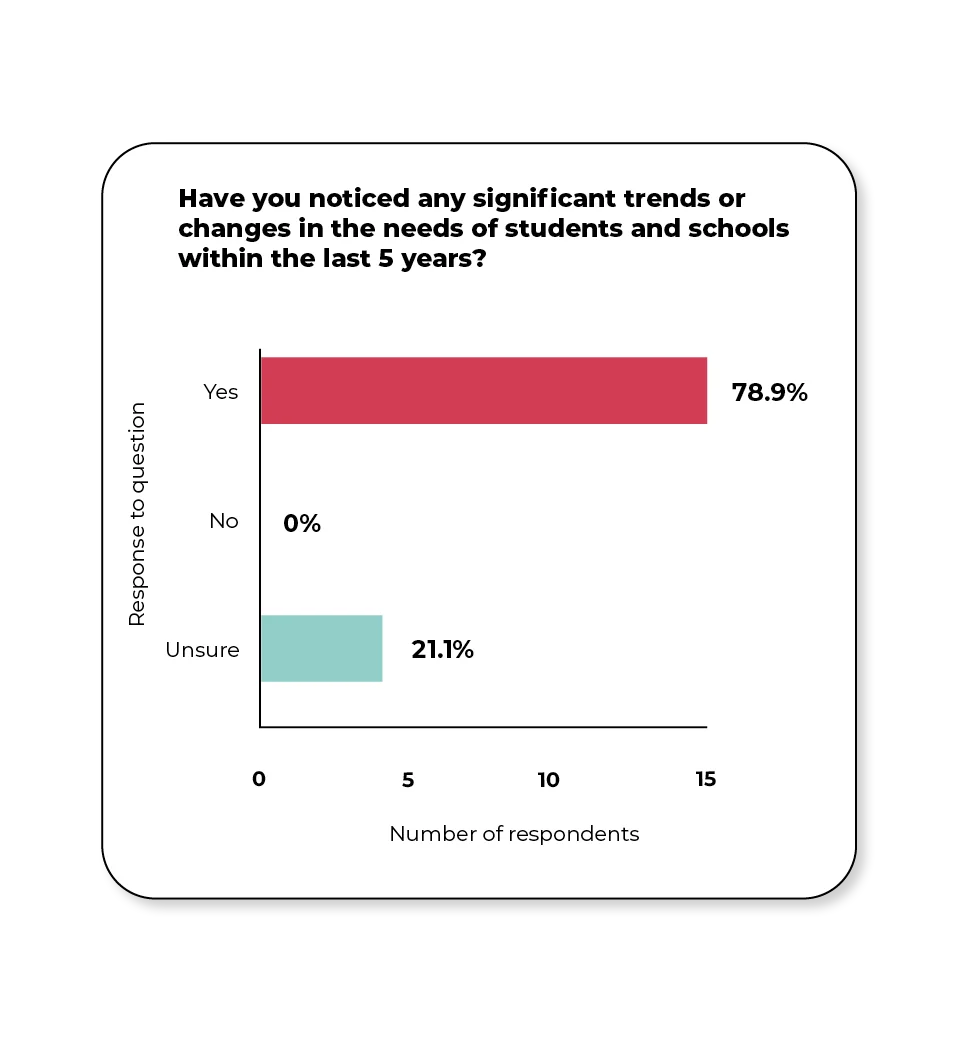
Our report uncovered that 78.9% of Educational Psychologists have noticed significant trends or changes in the needs of students and schools in the last 5 years, a similar result to our 2024 report which made the same observation.
Multiple respondents outline the increase in Emotionally Based School Avoidance (EBSA), a theme that was also uncovered in the SCG Educational Psychology Workforce Insights Report 2024. Despite it being five years ago, some Educational Psychologists believe the prevalence of EBSA is linked to the effects of the COVID-19 lockdown.
One respondent said, “There are increased SEMH needs post Covid and increased EBSA. Possibly influenced by societal and cultural changes but also a narrowed curriculum.”
Another added, “Covid-19 has begun to impact cohorts in terms of social skills, more assessments for Education Health and Care Plans (EHCPs) and more diagnoses of neurodiversity now.”
Educational Psychologists have also noticed a trend in the number of children with Autism Spectrum Disorder (ASD) and Attention Deficit Hyperactivity Disorder (ADHD). One respondent described an increase in the level of needs, particularly surrounding mental health with more people seeking diagnoses, but less support being available at a preventative level.
An increased concern around phone use and the pressures of social media on children and young people was also highlighted.
Have you noticed any significant trends or changes in the needs of students and schools within the last 5 years?
How important do you think it is to keep up with sector changes?
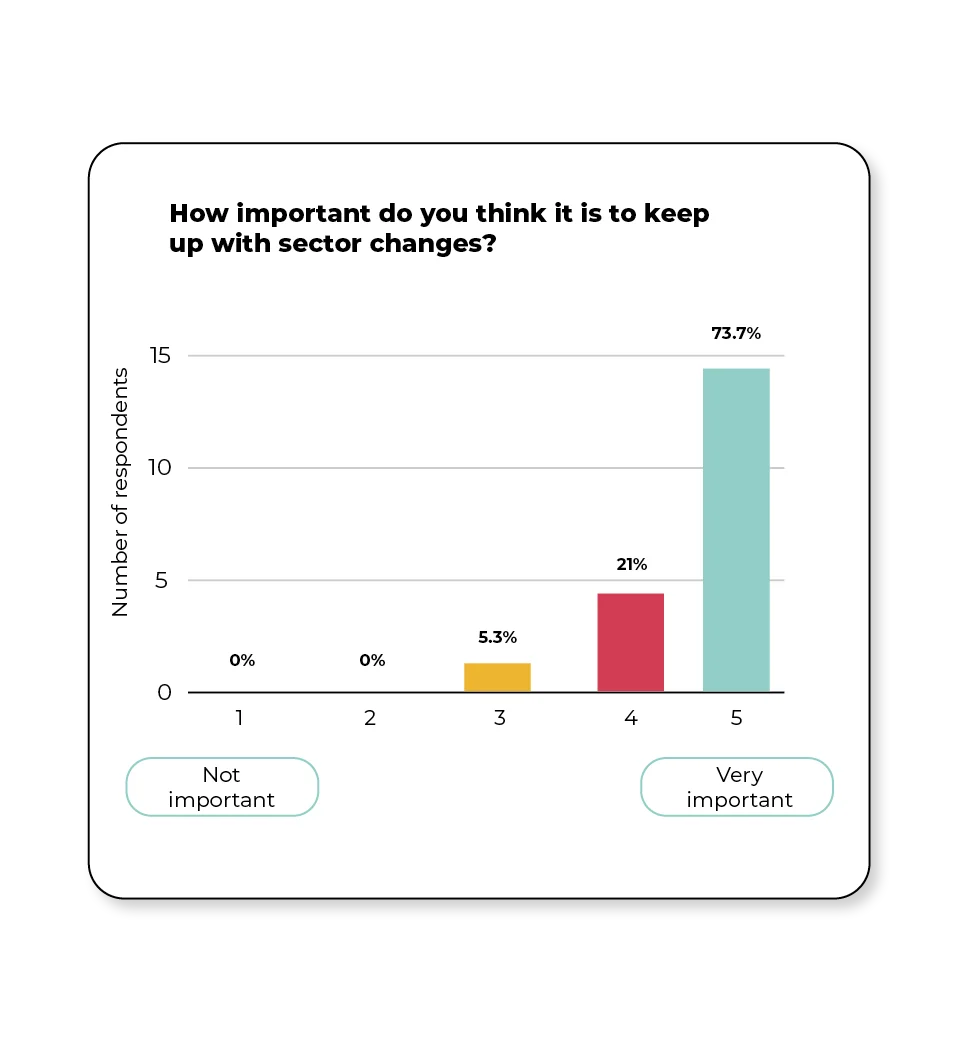
When asked their opinion on keeping up with sector changes, Educational Psychologists note the importance of doing so for understanding legal frameworks and advocating for children and young people. Respondents outline the need to support individuals across all parts of the school system, including students, parents/guardians and school staff.
One respondent elaborated, “We can only do this well if we are up to date with what is happening within the sector and have an awareness of how any changes may impact upon those we work with and support.”
The growing focus on mental health and wellbeing in schools
Mental health remains a critical focus in education. Recent NHS England figures report that about one in five children and young people, aged 8-25 years old, had a probable mental disorder.
Aligning with the findings of the SCG Educational Psychology Workforce Insights Report 2024, our 2025 report highlights the critical focus that Educational Psychologists must dedicate to mental health in schools.
Amongst our findings, Educational Psychologists caution that there is inconsistency between schools in regards to Social, Emotional and Mental Health (SEMH) and that schools require more support from informed professionals.
One Educational Psychologist said, “Whilst various interventions may help some individuals with their mental health and emotional wellbeing, we really need a preventative approach rather than firefighting. This has to include genuine awareness of how all parts of the school system impact mental health and wellbeing, rather than focusing on within-child or within-family factors and aiming to 'fix' an individual child.”
Despite their desire to address the root causes of mental health challenges amongst students, Educational Psychologists also note that their statutory duties can impede the time they can dedicate to this.
Another Educational Psychologist said, “This reflects a broader societal focus too. The area is being spoken about more, but not sure the level of intervention support is there to meet those needs and does the curriculum expectation allow the freedom to focus on these needs first?”
One Educational Psychologist notes a link between a mental health crisis and the current school curriculum, saying, “We wouldn't have such a horrendous mental health crisis if we had a child centred curriculum and schools that model attunement.”
Funding and resources
Concerning the funding and resources available for educational psychology services, our report outlines a lack in both. Educational Psychologists believe that, especially within local authority, a lack of funding is resulting in cuts to workforce and early intervention measures. Our report also highlights how more funding and resources are required to train more Educational Psychologists and ensure that schools can access support when needed.
One Educational Psychologist said, “The priority in local authorities is to meet the statutory requirements but at the detriment of early intervention/prevention support. As a private service we have more flexibility to provide the early intervention, but it is at a cost to schools, who need to prioritise us and that support.”
Burnout and discontent amongst Educational Psychologists has also been attributed to a lack of funding, with some opting to work privately rather than for a local authority. As professionals choose to do this, Educational Psychologists note the additional pressure this places on those remaining in local authority work.
Another respondent said, “Low funding and resources for councils and local authorities means cuts to funding and staffing within educational psychology services, as well as cuts to early intervention. This, in turn, leads to EP burnout and discontent, so Educational Psychologists leave local authority work for independent work.”
A third Educational Psychologist said, “(There’s) not enough (funding), local authorities are struggling to meet demand based on funding, it also impacts special school places and provision within EHCPs.”
Educational Psychologists also outline how funding and resources must be fair, regardless of postcode. One respondent suggests that the whole system needs reform.
Industry challenges
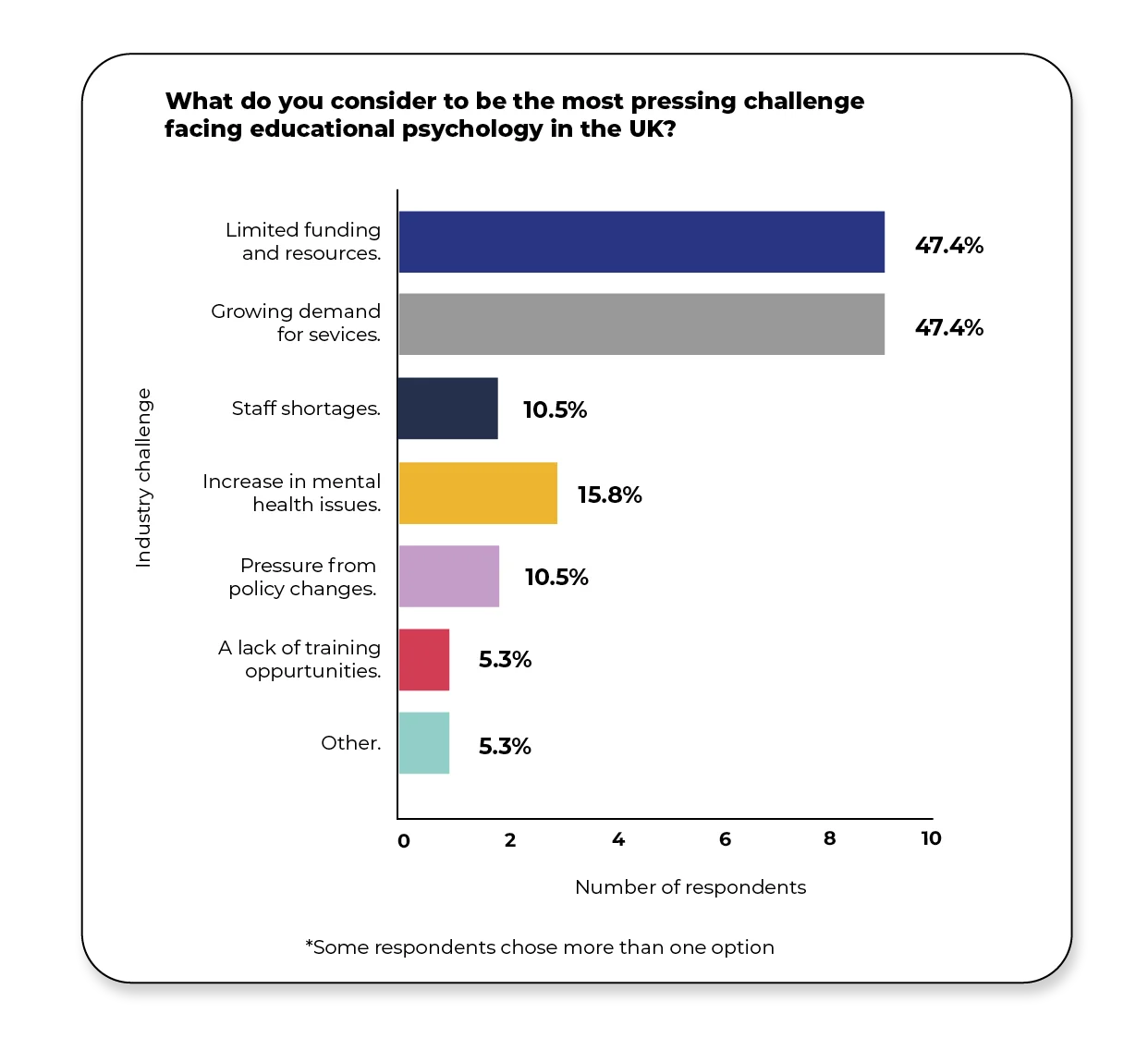
Throughout 2025 the educational psychology sector has encountered a number of challenges, especially in light of the growing demand for Education, Health and Care Needs Assessments.
Like throughout 2024, a lack of funding in schools and local authorities means that often, Educational Psychologists are having to be reactive, rather than proactive.
Educational Psychologists also note the pressure that policy changes have had on the workforce.
One Educational Psychologist said, “Our work has been shaped by policy changes and the pressures that these changes have created. For example, devolved funding resulted in traded services and core services being exclusively statutory work (EHCPs, annual reviews etc). As services were cut, schools were expected to do more with less funding and so our work has become more reactive and there have been fewer opportunities for early intervention.”
What do you consider to be the most pressing challenge facing educational psychology in the UK?
On what level do you agree with this statement? ‘Educational psychology services are able to meet the needs of children and young people today’.
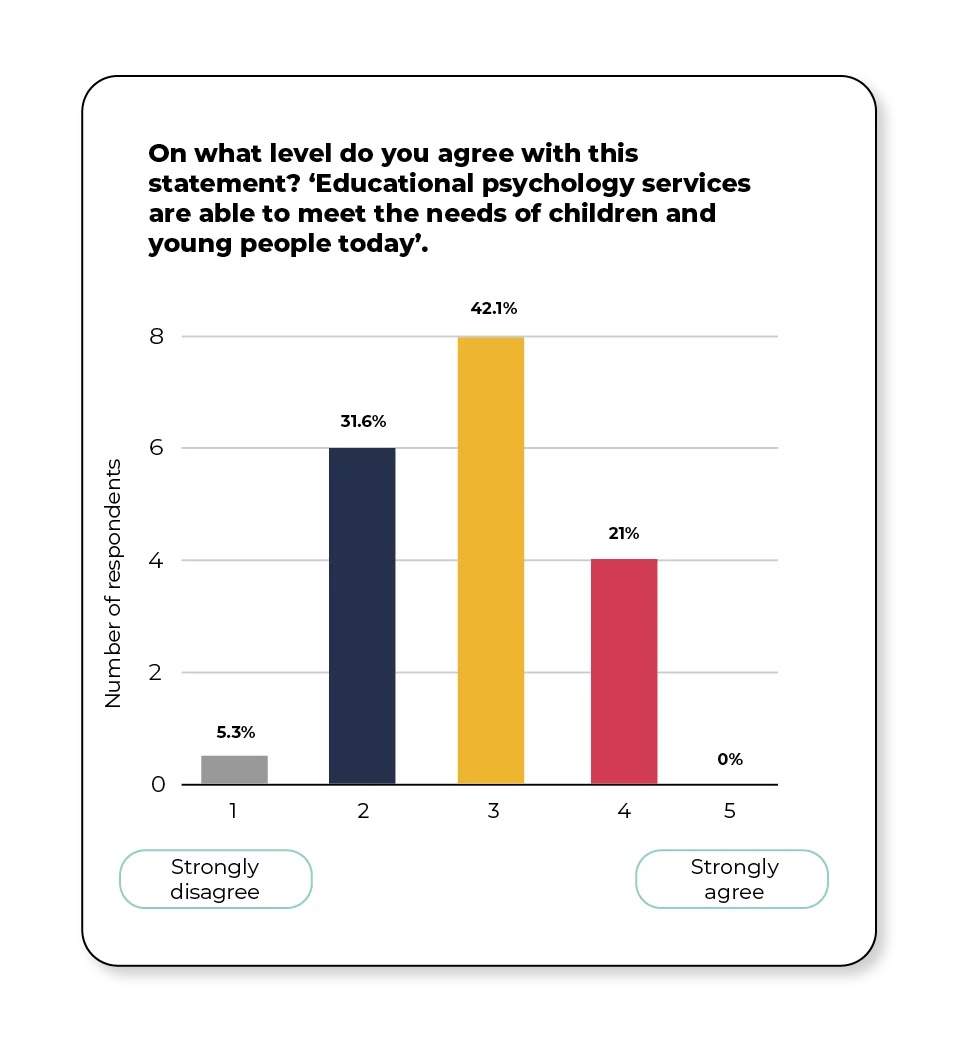
In response to this question, respondents thoughts include:
- There is a lack of resources which makes the job very difficult. Educational Psychologists can recommend strategies and interventions but there are no resources for these to be implemented.
- The capability for educational psychology services to meet the needs of children and young people (CYP) is there, but the resources Educational Psychologists need to do so are not.
- Educational Psychologists are being pigeon holed into focussing on Education, Health and Care Needs Assessments, when in reality they possess a much wider range of skills that should be utilised to meet the needs of children and young people.
- Educational Psychologists should be able to meet the needs of CYP, however they are not currently able to utilise their skills due to being involved in the ‘bureaucratic’ Education, Health and Care Plan (EHCP) process.
- Educational Psychologists must be able to complete early intervention, prevention, systemic and whole-school work. They believe the ever increasing focus on statutory work prevents them from completing a wider range of responsibilities for which they are trained. It is suggested that being able to complete a wider range of responsibilities could enhance the school experience for children and young people and provide a more effective outcome for all members of the school community.
Have you faced any barriers in finding the type of role you wanted? If so, why do you think this was?
In line with 2024, the demand for Educational Psychologists remains high in 2025, however many still report barriers in finding the type of role they are looking for.
The postcode lottery continues to have an effect, with respondents reporting that their location has impacted their ability to find the type of role they desire.
One Educational Psychologist said, “Yes. This is partly due to where I live (a long way from any big cities where there are a lot more opportunities) and partly because of funding cuts in LAs.”
The sentiment of those in local authorities facing barriers to career progression is noted by one Educational Psychologist, who said “There is no career progression in my local authority, despite doing a 'specialism' within the Virtual School this is not formally recognised. Strict policies on private practice make it difficult to blend the two roles and remain in the local authority.”
Other respondents explain how they have moved away from local authority work and set up a private practice to achieve greater freedom in the way they work. One Educational Psychologist even notes that they would never return to local authority work.
Are there any gaps in service provision that you feel need urgent attention?
In response to this question, respondents suggest:
- Gaps in preventative work.
- Gaps in early intervention.
- The need for working at a more strategic level with schools in order to develop staff and school practice. It is suggested that this will enable a more effective and proactive provision for Special Educational Needs and Disabilities (SEND).
- More training options are needed within the North of England.
- There are gaps in the support for emotional wellbeing and pupils with Autism Spectrum Disorder.
One Educational Psychologist said, “There are gaps in being able to build relationships and provide support to link schools. This used to be a standard and large proportion of our work. Now, if we're lucky, it's an afterthought squeezed in around EHCP work. We need to move from firefighting to fire prevention. Otherwise everybody loses out.”
Despite Educational Psychologists suggesting multiple gaps in service provision, one respondent did note that in their service they do not feel this is the case, thanks to shifting from assessment to intervention. Some Educational Psychologists suggest that gaps may exist due to a workforce that is too small to meet demand.
Policies and legislation
With over 638,000 EHCPs in place at the start of 2025, the UK government's delayed Schools White Paper has been scrutinised during the latter end of 2025. Originally planning to publish the document in the autumn of 2025, the White Paper is now expected in early 2026.
With the delay fuelling discussion around EHCP eligibility and planned reforms of the SEND system, there is growing concern for what this could mean for children and young people with SEND.
Do you feel that current UK education policies adequately support the needs of students with Special Educational Needs and Disabilities (SEND)?
Based on the responses in our report, it appears that education policies are not up to scratch. Educational Psychologists describe the system as being at ‘breaking point’ with insufficient funding playing a significant role in this. One Educational Psychologist notes that the funding model is outdated and ‘incentivises schools to opt for individual assessments, rather than long-term systemic work’.
One Educational Psychologist said, “It feels like there is a complete lack of understanding of the needs of young people and no investment into early intervention.”
Another Educational Psychologist added, “So many students are being failed. Inclusion isn't working because schools lack the resources to meet the diverse needs of their students and there is also no incentive to do so, as they are rewarded for their results, not how well students are coping within the environment.”
A third respondent stated, “It doesn’t take into account varying perspectives and approaches, leaving parents feeling like they’re ‘battling’, which increases tension and pressure on an already crumbling system.”
On what level do you agree with this statement? ‘Educational Psychologists have an adequate input in shaping educational policies’.
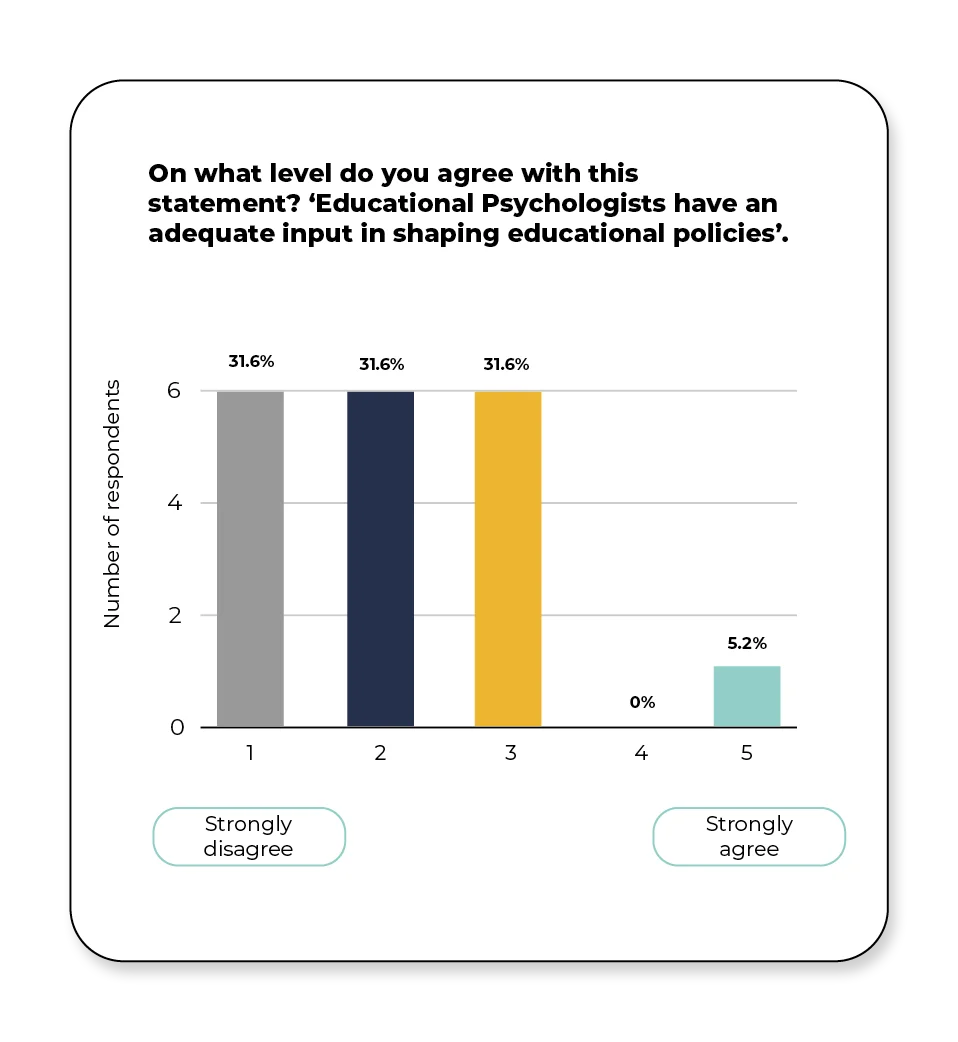
Our report concludes that 31.6% of respondents ‘strongly disagree’ that they have adequate input in shaping educational policies.
Our respondents thoughts include:
- Educational Psychologists rarely appear to be included in government discussions or decision making and are mostly ignored by policy-makers.
- There are no Educational Psychologists involved in the Office for Standards in Education (Ofsted).
- The Department for Education (DfE) recruits Multi-Academy Trust (MAT) Leaders and Headteachers, but not Educational Psychologists.
One Educational Psychologist said, “The policies are devised by people with little experience or real life knowledge of the needs in school and the realities of meeting all the needs of pupils.”
Another Educational Psychologist added, “It seems to me that very little understanding of child development and learning was involved in designing the Gove curriculum.”
A third Educational Psychologist stated, “The whole education, and especially SEN system, in the UK is broken. It requires people who understand the system and the people working within it to completely redesign it.”
On what level do you agree with this statement? ‘Legislative framework supports multidisciplinary collaboration between Educational Psychologists and other professionals’.
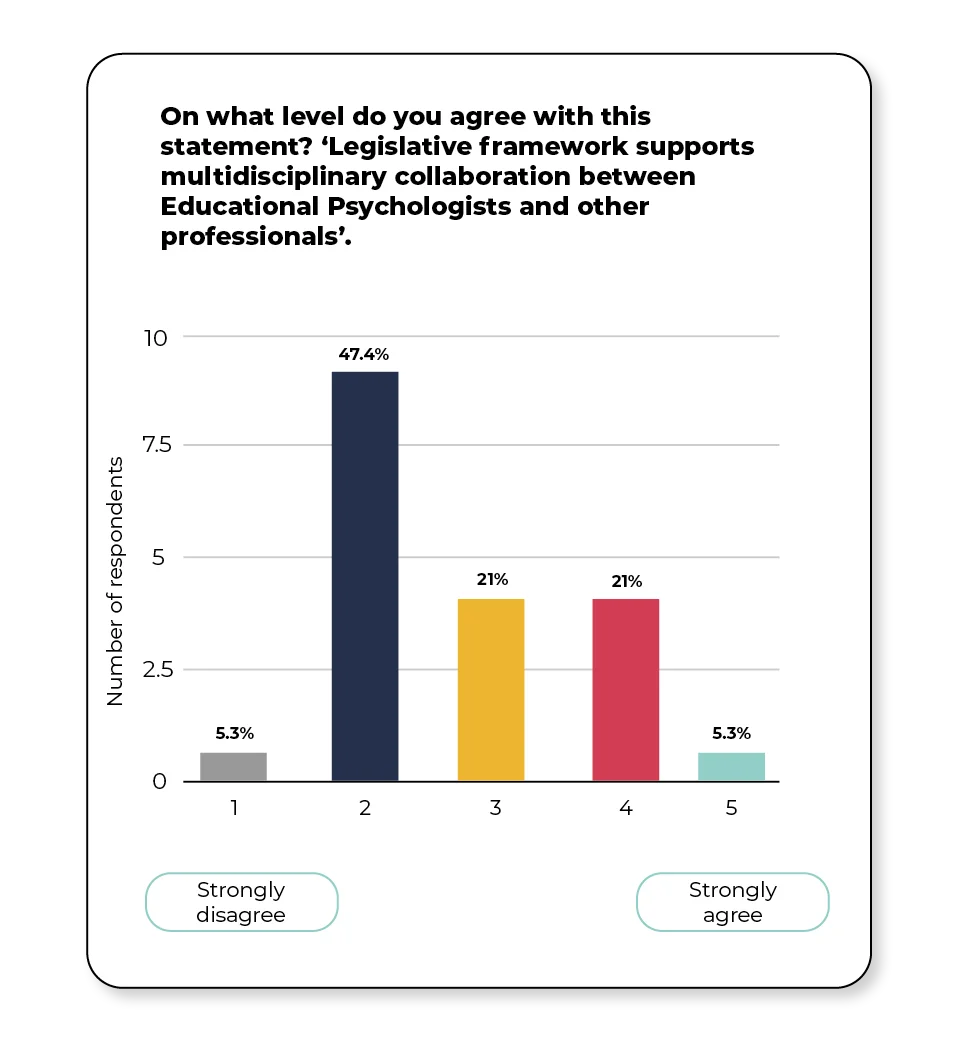
When asked their thoughts on legislative framework supporting multidisciplinary collaboration between Educational Psychologists and other professionals, our respondents raised the following points:
- This can vary depending on region. Some local authorities are set in their ways, but others are better at promoting collaboration.
- Multidisciplinary collaboration is poorly resourced and therefore does not take place.
- Legislation is not the problem, it is the practical application of this where issues arise.
- A prime example of the failure of this is the lack of multiprofessional contributions towards EHCPs.
The SCG Educational Psychology Workforce Insights Report 2024 raised concerns regarding the SEND Code of Practice, with some Educational Psychologists reporting that it was in need of an update.
Reflecting on legislative framework supporting multidisciplinary collaboration in 2025, one Educational Psychologist said, “I think the SEND Code of Practice was designed with this in mind, but the reality is the opposite. All professionals seem to work in isolation in many local authorities now, purportedly due to resourcing difficulties. Too many local authorities see the EP report as the only important part of the EHCP decision-making process - a box to be ticked so they can move on to the next step.”
This Educational Psychologist continued, “Meanwhile, other agencies are (in some areas) stepping further and further away from their statutory duties, for example by refusing to see a child until an EHCP is agreed (following completion of the EP report), or simply stating that they don't know the child so they have nothing to contribute.”
Technology within educational psychology
Following on from 2024, technology has continued to play a significant part in the educational psychology sector throughout 2025. Artificial Intelligence (AI) in particular appears to be an area of interest for many Educational Psychologists.
How do you foresee technology influencing the field of educational psychology in the coming years?
Based on the responses in our report, Educational Psychologists believe that AI could be beneficial for speeding up report writing, however they are clear that it must not completely replace the role of an Educational Psychologist.
One Educational Psychologist said, “Apps are getting more important. AI can generate lists of interventions however, I would be unhappy with this as the humanity in designing programmes and interventions is so important.”
Another Educational Psychologist added, “I am concerned it will overtake our individual input into reports.”
The way in which Educational Psychologists are taught to implement Artificial Intelligence into their day to day practice, also appears to be a concern.
A third Educational Psychologist explained, “It depends on training; it could be hugely beneficial to Educational Psychologists, but if they lack the skills and knowledge to use it, then they are missing a beat. In the wider context, I think AI will increasingly change the landscape of education and also the workforce that students will be joining, so EPs understanding more about these technologies that are emerging and changing life as we know it, is essential.”
As always, ethical and legal practices must be adhered to when using technology and Artificial Intelligence within educational psychology. Tools that aid the day to day practice of an Educational Psychologist must be developed with legal compliance as a priority, to protect the privacy rights of the children and young people under the care of an Educational Psychologist.
The future of educational psychology
The role of an Educational Psychologist must evolve alongside the changing needs of children and young people. With a noted increase in Emotionally Based School Avoidance and the demand for Education, Health and Care Needs Assessments, the future of educational psychology will continue to be multifaceted.
If you could change one aspect of educational psychology in the UK today, what would it be and why?
In response to this question, our respondents suggest:
- Educational Psychologists need to have a greater influence within government.
- Educational Psychologists should be at the forefront of systemic change within education.
- Educational Psychologists should be able to work at a more preventative level with early identification and intervention. This should be proactive, rather than reactive.
- Local Authorities should have a designated fund for preventative work which would equate to that of statutory work.
- Educational Psychologists should be able to focus on systemic work, rather than individual assessments.
- Educational Psychologists should receive better salaries and as a result of this, retention within the sector will improve.
One Educational Psychologist summarises, “Remove our statutory role in the EHCP process. We should be involved, where appropriate, much earlier in the process and not necessarily for a single individual child. There are times when an Educational Psychologist report would provide much-needed information, as there is with Speech and Language Therapy, Occupational Therapy, etc. but, there are many times when we have already been involved or when we are just there for box ticking (for example, for a child with complex medical needs, where the impact on their education and the type of support needed is already well established).”
They continue, “This causes delay, frustration, disillusionment with the system, and is very costly. Better still, remove the EHCP process altogether and replace it with something fair and equitable, and that promotes early intervention, prevention, and systemic change.”
What motivates you to continue working in educational psychology?
Despite ongoing challenges within the sector, it is promising to see that many Educational Psychologists share a commitment to improving educational outcomes for children and young people.
The motivation to change lives for the better and campaign for social justice, continue to be a driving force for many Educational Psychologists.
One Educational Psychologist said, “I am a good psychologist, and enjoy working with children, schools and families. I also enjoy the opportunities to be proactive, systemic and strategic when they come along.”
One Educational Psychologist does however comment on the availability of work in the public sector, “When we get to do the work we're trained to do, we can change lives for the better, and we can campaign for social justice. Sadly, for too many of us, that work is now outside of the public services.”
What skills or areas of knowledge do you think are becoming increasingly important for Educational Psychologists?
From the effective implementation of Artificial Intelligence to an increased focus on mental health, similarly to 2024, the response to this question has been varied.
Important areas of knowledge suggested by our respondents include:
- Artificial Intelligence.
- Enhanced understanding around mental health challenges and anxiety.
- How to work with systems when under pressure and how to recognise and support human frailties within these systems.
- Trauma-informed practice.
- Knowledge around neurodiversity.
- The core principles of doctoral training, in terms of Educational Psychologists holding a position as Psychologists and not just assessors.
- The ability to think outside the box to support parents and schools.
Conclusion
To conclude our report, it is clear that 2025 has been a demanding year for Educational Psychologists across the UK. A continuous lack of funding and limited resources, coupled with a rising demand for Education, Health and Care Needs Assessments has stretched the availability of Educational Psychologists.
Along with EHCNAs, Educational Psychologists also note an increase in Emotionally Based School Avoidance, with some still attributing this to the effects of the COVID-19 lockdown.
Recurring suggestions also address apparent gaps in early intervention, with one Educational Psychologist suggesting that there is better flexibility for this within private practice.
Education policies have also come under scrutiny in 2025 with Educational Psychologists suggesting that they are not closely involved enough with governmental decision-making. One Educational Psychologist notes that whilst Multi-Academy Trust Leaders and Headteachers are recruited within the Department for Education, this is not the case for Educational Psychologists.
Our respondents also highlight how Artificial Intelligence could be leveraged to speed up report writing, however Educational Psychologists maintain that humanity must remain within their role.
Despite ongoing challenges and developments within the needs of children and young people, what remains clear is that Educational Psychologists share a commitment to improving educational outcomes for students throughout the UK. Many continue to love their job and the positive role they play in not only the lives of children and young people, but their parents/guardians and teaching professionals too.
Methodology
The data within this report was collected via an online survey created by Spencer Clarke Group, published through Google Forms.
The online survey was distributed to Educational Psychologists across the UK, via email and LinkedIn. The survey was answered by nineteen Educational Psychologists of varying experience and both Educational Psychologists working within local authority and those working for a private practice.
Both the qualitative and quantitative research method was used to collate information. Utilising both research methods enabled us to explore a range of perspectives, generate new hypotheses, spot trends and anomalies, and uncover societal trends.
Glossary
AI - Artificial Intelligence
ADHD - Attention Deficit Hyperactivity Disorder
ASD - Autism Spectrum Disorder
CPD - Continuous Professional Development
CYP - Children and Young People
DfE - Department for Education
EBSA - Emotionally Based School Avoidance
EHCP - Education, Health and Care Plan
EP - Educational Psychologist
EHCNA - Education, Health and Care Needs Assessment
LA - Local Authority
MAT - Multi-Academy Trust
Ofsted - Office for Standards in Education
SEMH - Social, Emotional and Mental Health
SEND - Special Educational Needs and Disabilities
Educational Psychologist jobs
If you’re searching for your next Educational Psychologist job, why not take a look at the latest vacancies, or simply upload your CV to be notified when a relevant position becomes available.
Struggling to recruit Educational Psychologists?
As specialist local authority SEND recruiters, we support local authorities nationwide with their temporary, interim and permanent staffing needs.
If you’re struggling to recruit, we have exclusive access to some of the most experienced interim Educational Psychologists in the UK.
Simply contact Natalie Boaler on 01772 954200 to discover how we can help.
Local authority recruitment services
Who is Spencer Clarke Group?
Established in 2017, we’re an award winning and progressive recruitment agency based in the heart of the North West. Our reputation is built on trust, expertise and an unwavering commitment to exceed expectations.
In 2025, Spencer Clarke Group was awarded Best Public/Third Sector Recruitment Agency and Best Temporary Recruitment Agency at the Recruiter Awards. In 2024, Spencer Clarke Group was also named Recruitment Agency of the Year.