Spencer Clarke Group: School Insights Report 2025
05 Jan, 20261-2 minutes


Introduction
The education sector is undergoing significant changes due to rising student needs, increasing mental health challenges and mounting pressures on funding and staffing. As schools work hard to support increasingly complex cohorts, understanding the experiences, priorities and concerns of Headteachers has never been more important.
Our report looks at the current state of education, drawing on the insights and perspectives of Headteachers across primary, secondary and SEND schools throughout the UK.
Our report highlights the challenges schools face today, including increasing mental health concerns, the rise in children with special educational needs, limited funding, recruitment struggles and accountability pressures.
Additionally, our report reveals how these challenges impact leadership capacity, daily operations and the long-term sustainability of schools.
Many of the Headteachers we spoke to also highlighted wider systemic challenges such as high-stakes accountability from Ofsted, the rigidity of the curriculum and insufficient SEND funding, all of which make it harder to protect staff wellbeing, keep pupils engaged and achieve sustainable school improvement.
Our report uncovers insights from Headteachers on the frontline of education, both those who are struggling to meet demand and those finding new ways to innovate and adapt, despite the challenges.
Leaders and policymakers can use our report to gain a clearer picture of headship today and identify where reform and investment are most needed. Our report can also be used to recognise the incredible work of those working tirelessly to ensure every child has the opportunity to learn and grow, regardless of circumstances.
Key findings
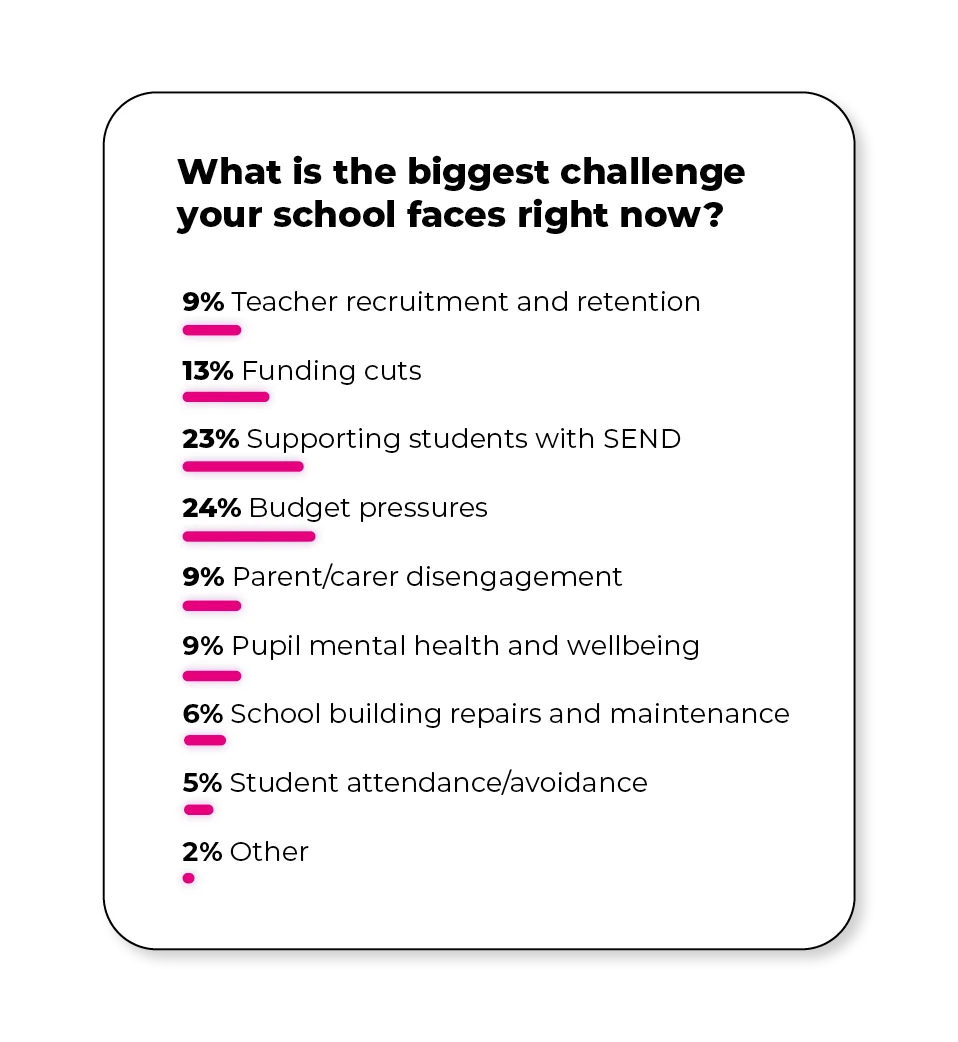
- 24% of Headteachers identified budget pressures as the biggest challenge their school faces.
- 23% of Headteachers said that supporting students with SEND presents a major issue for their school.
- 77% of Headteachers believe workload is ‘somewhat impacting’ or ‘heavily impacting’ their staff.
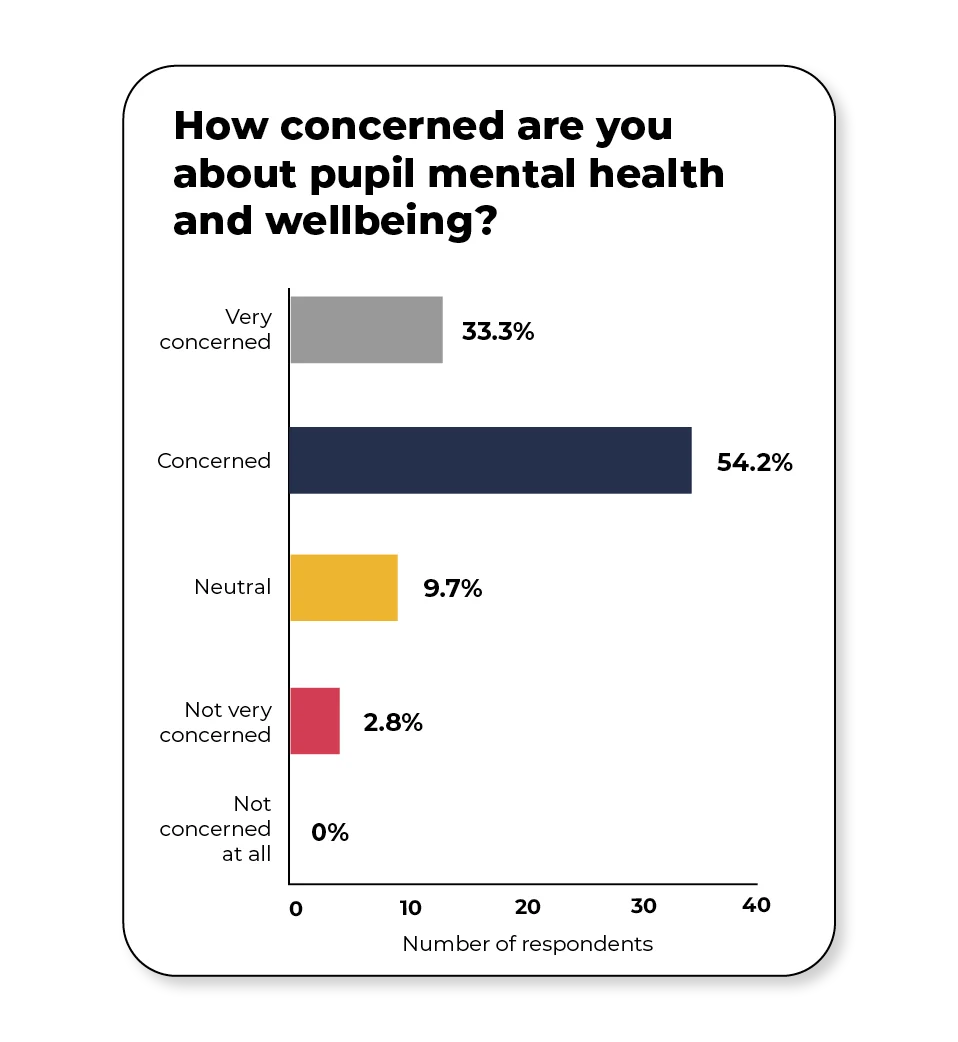
- 87.5% of Headteachers say they are ‘concerned’ or ‘very concerned’ about pupil mental health and wellbeing within their school.
- 47% of Headteachers stated that SEND was the most underfunded area within their school.
- Many Headteachers stated that they want Ofsted changed, removed or reformed as it is putting too much pressure on schools.
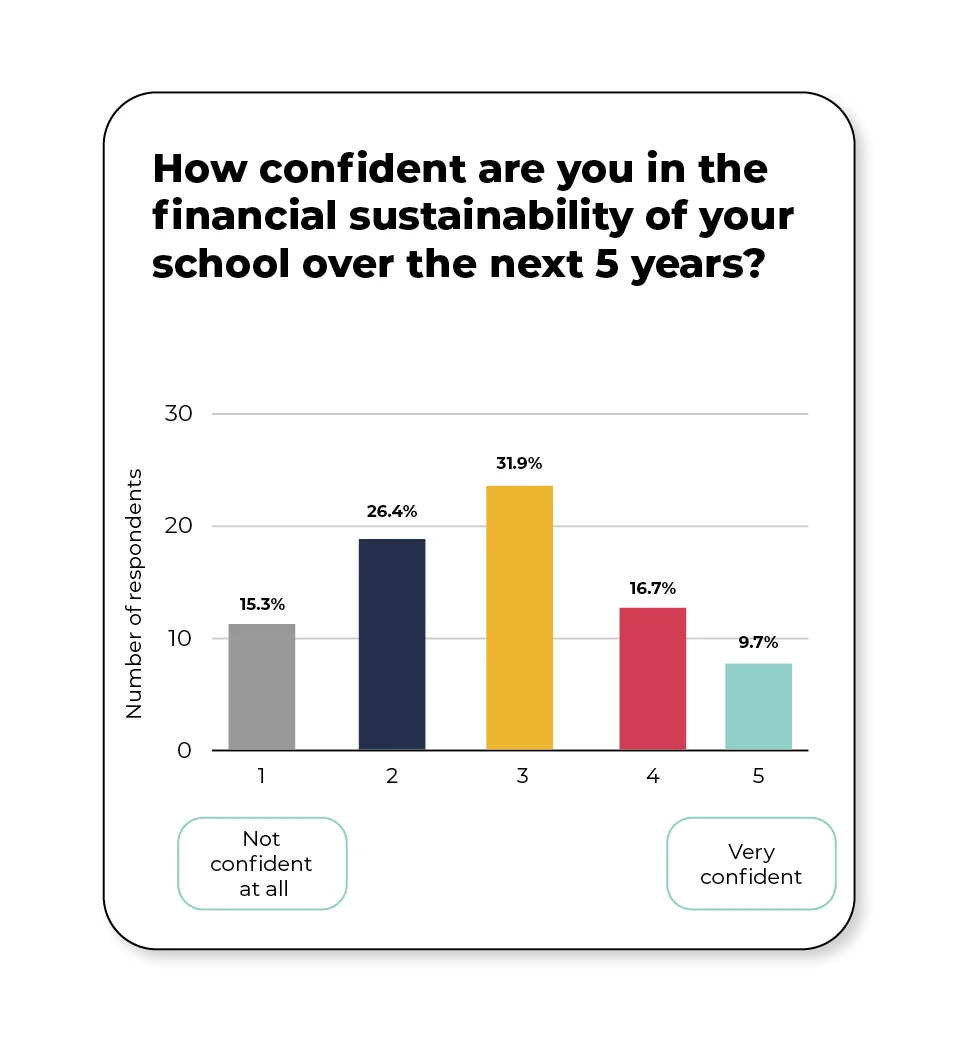
- Only 26.4% of Headteachers said they are ‘confident’ or ‘very confident’ in the financial sustainability of their school over the next 5 years.
- 42% of Headteachers say that student attendance has declined in recent years.
Challenges and changes
Schools are facing a wide range of challenges, with budget pressures (24%) and supporting students with SEND (23%) identified as the most significant.
One Headteacher said, “Managing the needs of SEND children gets harder each year, we are expected to do more with less.”
Headteachers consistently reported that while the number of students identified with SEND needs continues to increase, funding and support have not kept pace.
Another Headteacher stated, “More students are being identified with SEND needs but there is not enough funding or support due to budget pressures.”
A third Headteacher added, “In the last 5 years, budgets have been cut and the number of SEND children with severe and complex needs have increased.”
Many described the SEND system as ‘broken,’ saying that insufficient resources are leaving pupils in inappropriate settings, which contributes to behavioural issues, school avoidance and increased stress for school staff.
Another Headteacher said, “Local authorities are not providing sufficient funding for SEND pupils, appropriate resources or provision. Children are stuck in settings that are not appropriate, this then means behaviour escalates, an increase in school avoidance and Teachers wellbeing decreases.”
Headteachers believe that there is a need for greater focus on SEND and inclusion to improve the education system.
A fifth Headteacher stated, “Everyone acknowledges that SEND funding and policy is a national problem and regularly uses the phrase ‘broken’ but where are the proposals? Seems like policy makers are frozen in fear. You can't keep saying throwing money at it isn't the solution - unfortunately it is part of the solution and huge amounts of cash is needed for schools and the SEND system.”
Several Headteachers also raised concerns about Ofsted’s role, with one saying, “Violence and poor behaviour has increased with less ability to manage this due to Ofsted being out of touch.”
Overall, schools feel increasingly stretched and under-resourced and Headteachers want significant funding improvements and better support for SEND, to ensure schools can meet pupils’ needs effectively.
What is the biggest challenge your school faces right now?
Staffing and workforce
Throughout 2025, schools have continued to face significant challenges around staff workload, wellbeing and retention, despite many Headteachers reporting strong levels of Teacher retention and staff morale.
Our report found that while most schools are striving to protect staff wellbeing and retention, high workload, low support staff pay and ongoing pressure for improvement continue to strain the workforce.
How would you describe Teacher retention at your school?
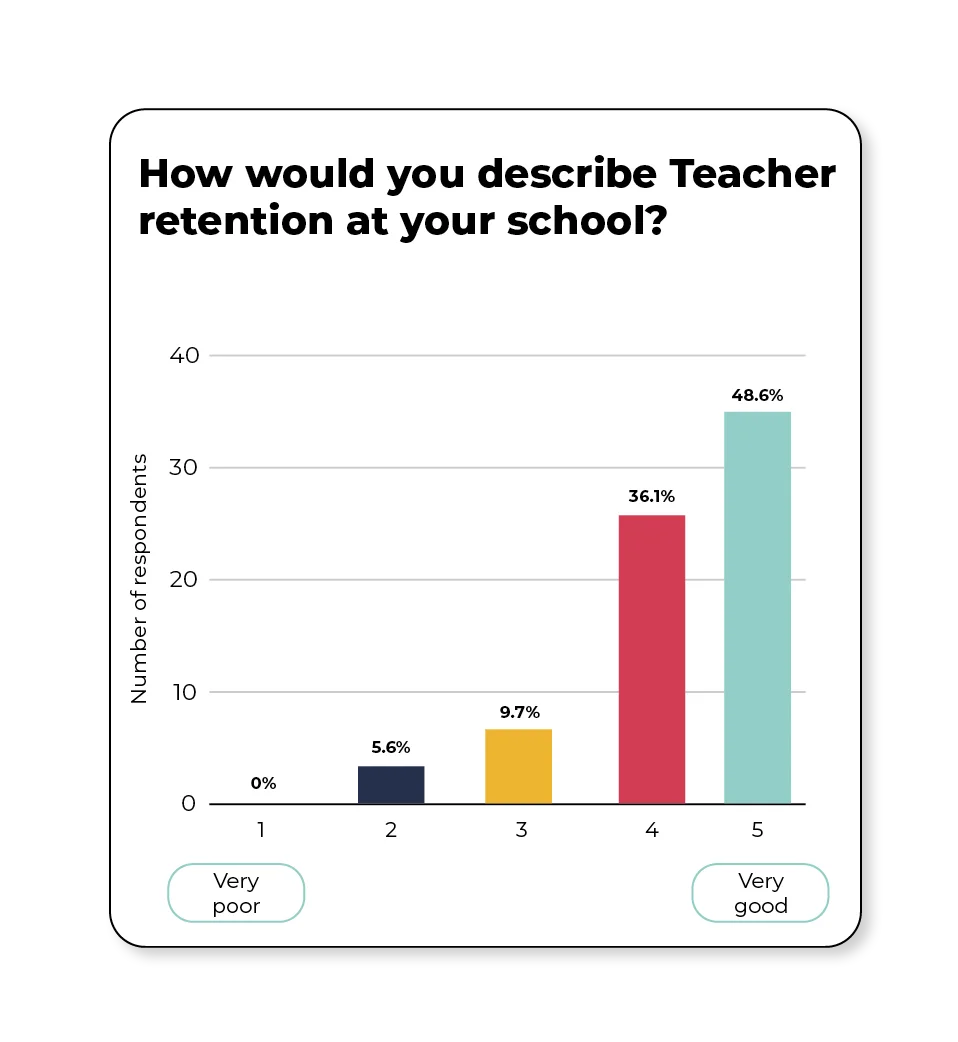
When it comes to recruitment and retention, most Headteachers report strong Teacher retention, with 84.7% rating it as ‘good’ or ‘very good’.
One Headteacher said, “We are fortunate to have great recruitment and retention as the school is a great place to work and we have tried hard to reduce anything extra being pushed onto our Teachers. We work hard so they can just do their teaching job. I know we are fortunate that people want to work for us, so we can recruit great people.”
Our report also found that some schools have successfully maintained high retention rates by reducing unnecessary tasks and focusing staff time on teaching.
How is workload currently impacting your staff?
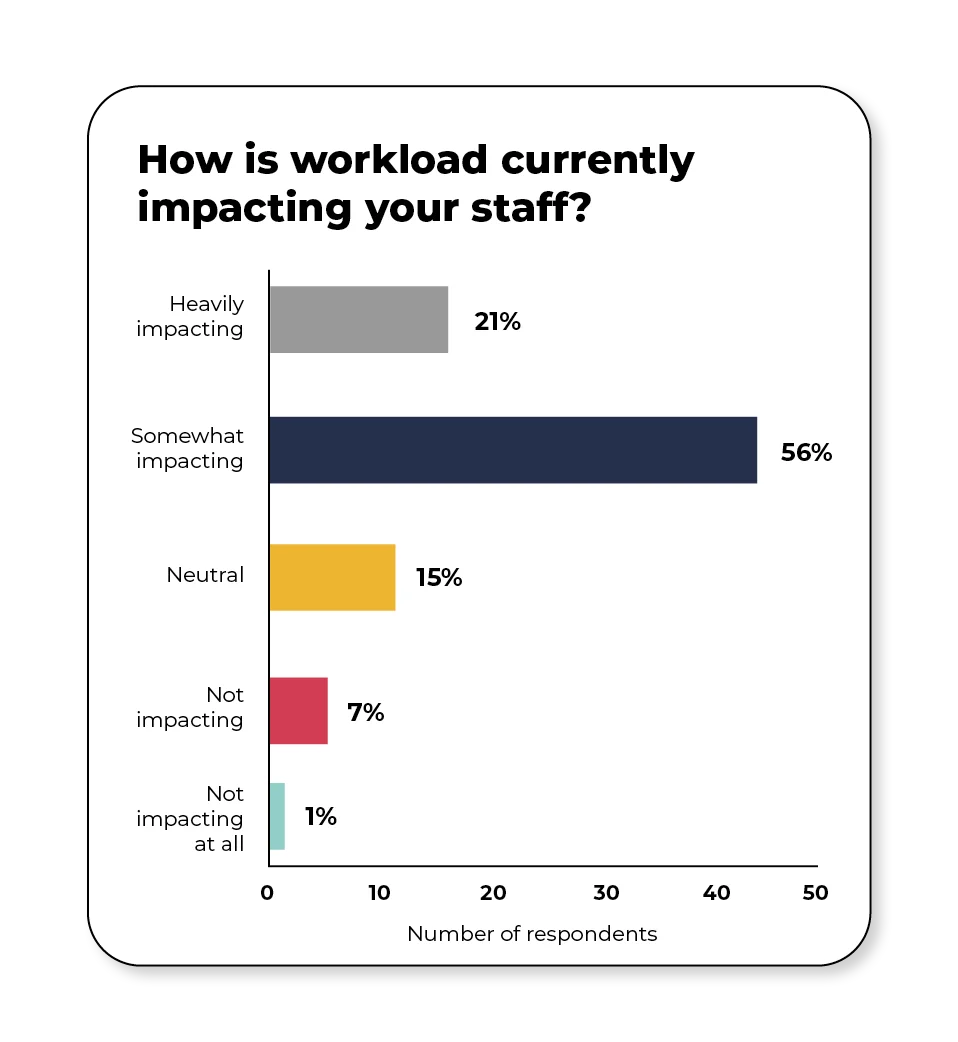
Workload remains a major concern, with more than three quarters of respondents (77%) saying it is either ‘somewhat impacting’ or ‘heavily impacting’ their staff.
One Headteacher said, “We work hard to manage workload but to just accept that it's normal for Teachers to work at home in the evenings and weekends just isn't good enough compared to other professions.”
Another added, “We try to minimise workload for staff, but it is hard to balance when you are driving rapid improvement in two schools that seriously underperformed prior to my arrival.”
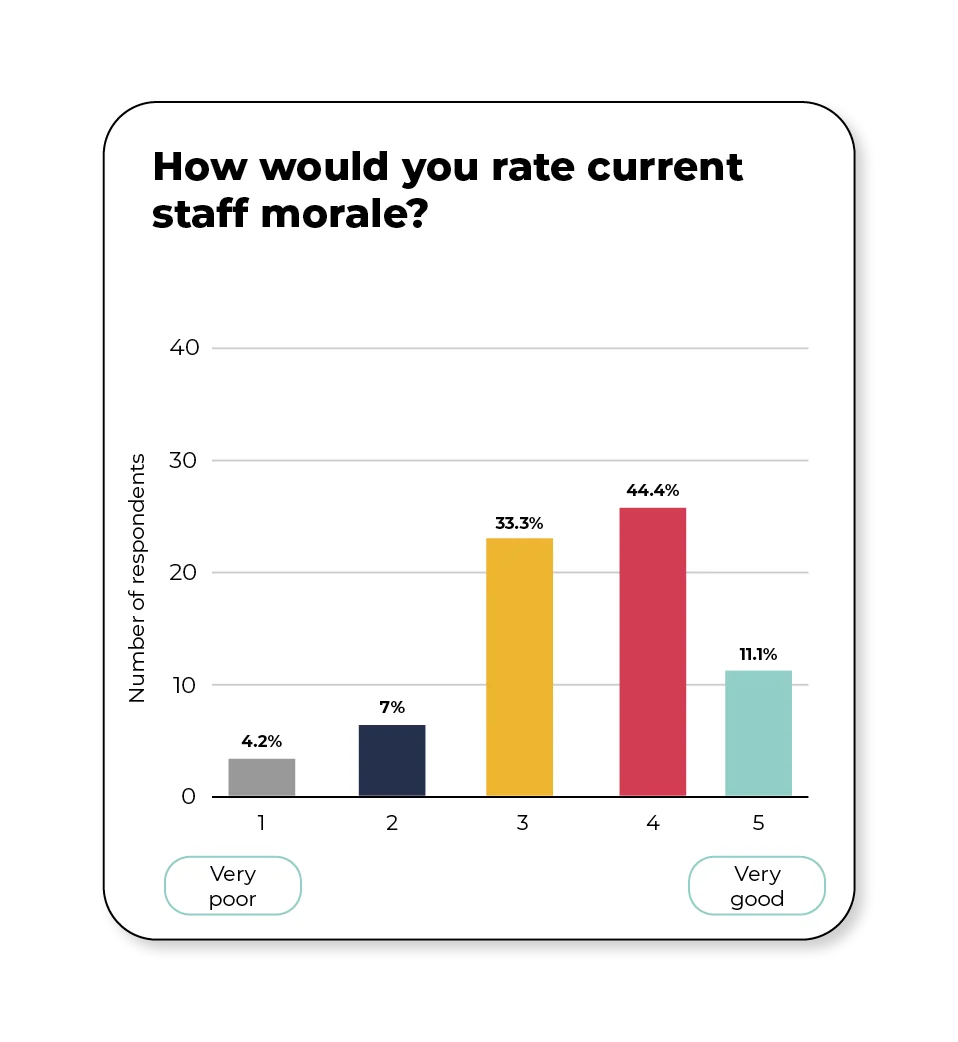
How would you rate current staff morale?
Several Headteachers expressed concerns about low pay and insufficient investment in support staff, describing them as undervalued despite their crucial role in school operations.
One Headteacher stated, “Support staff are paid a pittance. The workforce needs to be professional and made more attractive, with compulsory training and a decent salary, properly funded by the government. Human resources are the most precious in a school and not enough is invested in them.”
Pupil experience and outcomes
Headteachers expressed high levels of concern about pupil mental health and wellbeing, with 87.5% reporting they are ‘concerned’ or ‘very concerned’. Our report found that while schools are doing their best to support pupils, there is an urgent need for greater access to specialist mental health support and more help for families to address issues early on.
One Headteacher stated, “Schools should focus less on labeling students with mental health issues and provide more mental health workers and parental support.”
How concerned are you about pupil mental health and wellbeing?
How important are extracurricular activities to your pupils’ development?
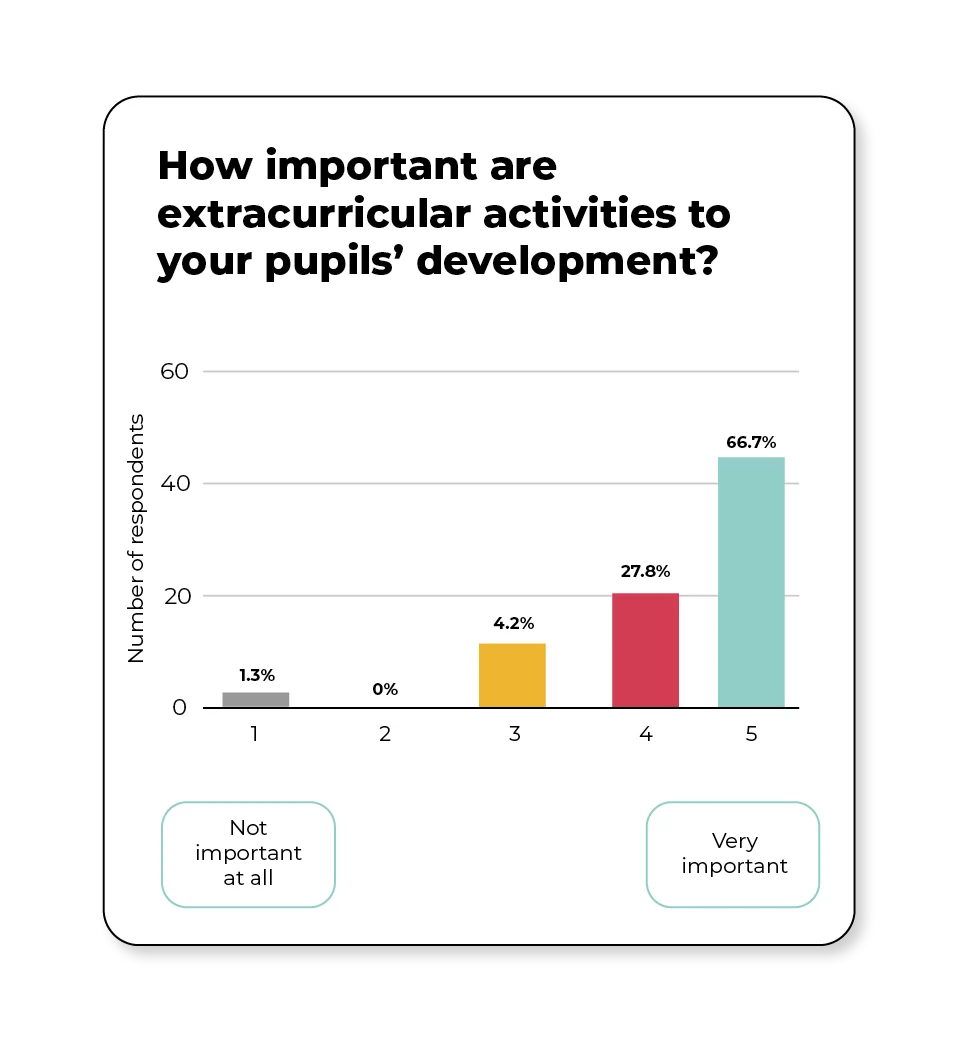
Extracurricular activities were seen as highly valuable for pupils’ development, with 94.5% rating them as ‘important’ or ‘very important’. However, several Headteachers highlighted barriers to extracurricular activities such as funding constraints, staffing pressures, accessibility issues and increased risk assessment demands.
One Headteacher said, “Some students are reluctant to engage in extracurricular activities. As a school where many travel by taxi, it can be hard to set up accessible opportunities. There also seems a much greater reluctance for young people to engage in activities within their own community such as sports, drama and music. Parental apathy and lack of funding could be part of this.”
Another Headteacher added, “The demands of the job make it difficult to plan extracurricular opportunities for our pupils. Over 5 years ago, I felt I had the time to lead sessions. This is no longer the case.”
How has attendance changed in recent years?
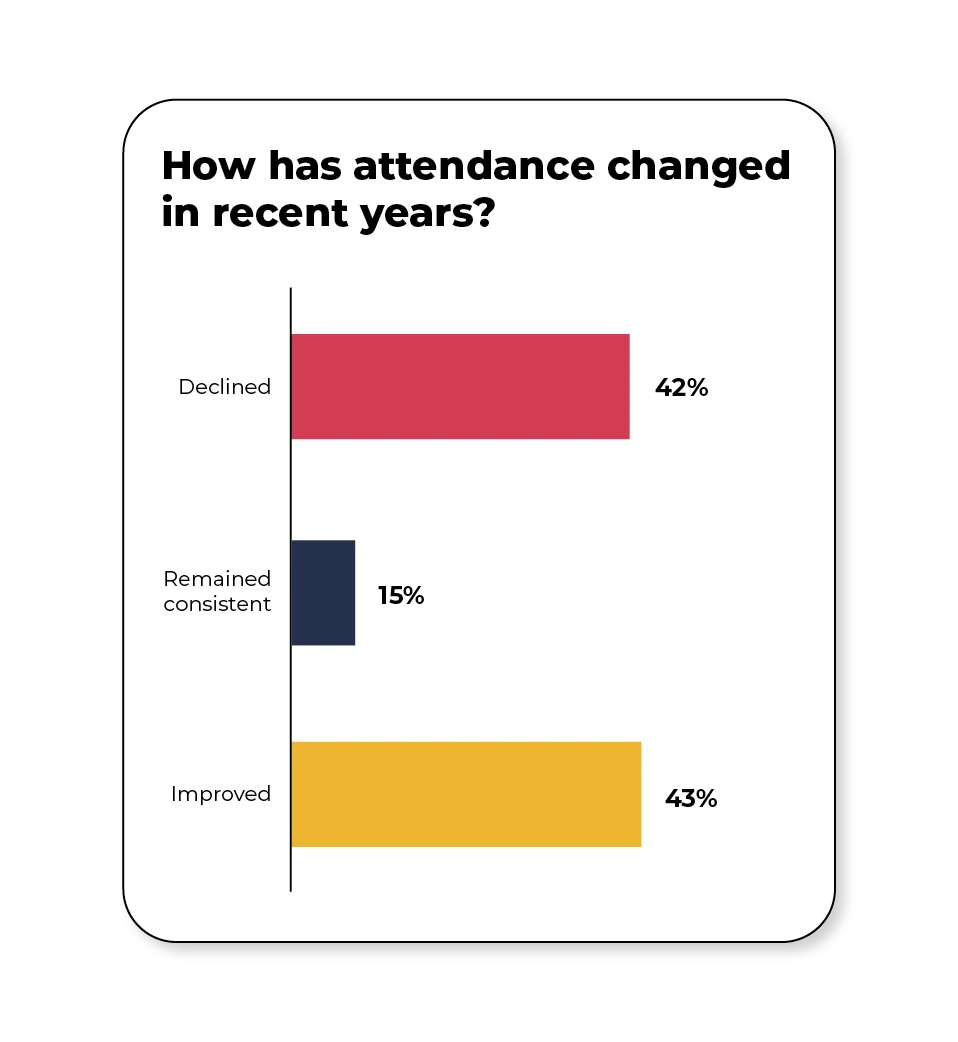
In terms of attendance, Headteachers reported varied outcomes, with 43% experiencing improvements while 42% noted a decline.
One Headteacher said, “We employed a specialist attendance officer and as a result, it has improved.”
Persistent barriers include poor mental health, low resilience and a lack of parental boundaries or understanding of attendance expectations. While some schools have successfully improved attendance through dedicated attendance officers and targeted family support, overall levels remain below pre-pandemic standards.
Funding and resources
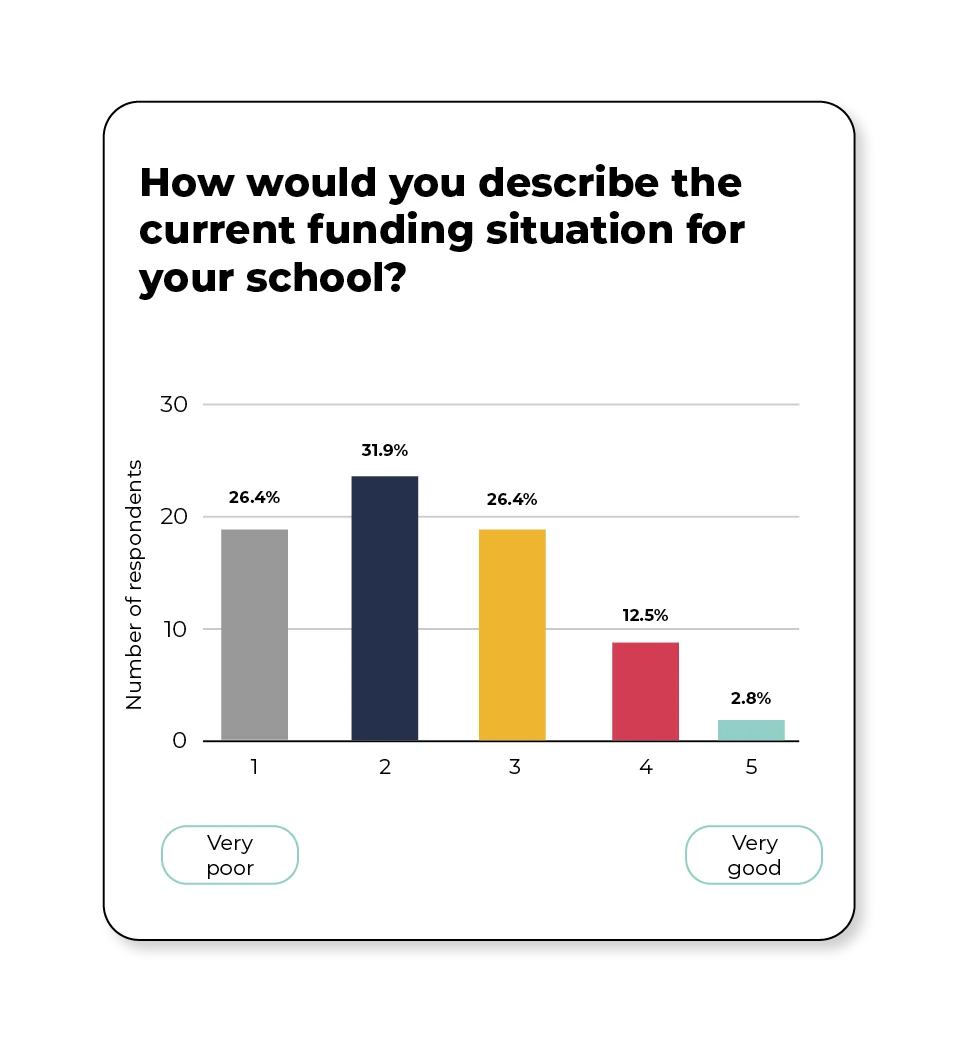
Schools are under significant financial strain, with 58.3% of Headteachers describing their funding as either ‘poor’ or ‘very poor.’ Only 26.4% feel ‘confident’ or ‘very confident’ about their school’s financial stability over the next five years.
One Headteacher said, “Soon a restructure may be necessary as we are cutting more resources and taking funds away from capital and buildings.”
Headteachers report that tight budgets are impacting staffing, resources and curriculum delivery. Many schools are unable to replace Teachers who leave, even though they are already short staffed.
A second Headteacher stated, “We’re on a current recruitment freeze, not replacing staff who leave due to budget pressures.”
Another added, “Staffing is our priority and we are considering redundancies in a climate when we need these staff.”
Additionally, several Headteachers expressed concerns about disparities in SEND funding as local authorities are creating inconsistent support levels across schools.
One respondent mentioned, “All SEND schools need to be funded equally, not by local authorities setting the top ups.”
Some schools are also asking parents for financial contributions as they struggle to manage the rising costs for basic supplies, utilities and specialised support.
A final Headteacher said, “More costs are being passed on to parents, while resources for wider curriculum subjects are being squeezed in favour of topping up classroom essentials.”
Without increased investment, many schools worry that their ability to provide high quality education and support for students will continue to decline.
How would you describe the current funding situation for your school?
How confident are you in the financial sustainability of your school over the next 5 years?
Conclusion
Schools today are facing a variety of complex challenges that affect both staff and pupils. Rising SEND needs, mental health concerns, funding pressures and workforce strain mean leaders must juggle multiple priorities while trying to uphold high standards.
The findings in our report reveal that without reform and targeted support, schools will continue to struggle to meet the needs of all students.
Challenges and changes
Schools are facing complex and escalating challenges with the most urgent priorities being SEND and budget pressures. Addressing the pressures around SEND and school budgets requires a coordinated effort from everyone involved.
Schools, local authorities and the government need to work together to create a system that’s properly funded and designed to give schools the stability they need to focus on teaching and supporting their students.
By adequately resourcing SEND provision, pupils would be able to receive the right support in the right setting which will reduce behavioural challenges and improve outcomes for all learners.
Staffing and workforce
While Teacher retention and staff morale remain relatively high in many schools, large workloads, long hours and low pay for support staff continue to strain the workforce.
To address these challenges, schools and policymakers should focus on reducing unnecessary administrative tasks, providing targeted professional development and ensuring fair and competitive pay for all staff, including support roles.
Implementing these measures would create a more sustainable working environment, improve retention of experienced Teachers and improve their wellbeing.
This, in turn, would allow Teachers and support staff to focus their time and energy on delivering high quality education, supporting pupils effectively and driving better outcomes across all areas of learning.
Pupil experience and outcomes
Pupil mental health, wellbeing and engagement are major concerns for schools and it’s clear that more support is needed.
Schools would benefit from having dedicated mental health staff, early intervention programs and resources to help families address challenges at home.
Extracurricular activities play an important role in pupil development, yet obstacles such as funding, staffing pressures, accessibility and lack of parental engagement make it harder for children to take part.
Solutions could include funding after-school programs, partnering with local community groups and offering flexible opportunities so that all pupils can get involved.
Attendance can also be improved with targeted approaches, such as having dedicated attendance officers, mentoring support and stronger family engagement to set clear expectations.
This approach would give schools the tools they need to support pupils’ mental health, attendance and involvement in school life.
Funding and resources
Schools are under huge financial pressure which is affecting staffing, resources and the quality of education they can provide. To address this, funding needs to be fair, consistent and reflective of the actual costs of running a school, including the support needed for SEND provision and staffing.
Local authorities and policymakers can help by making funding predictable and sufficient, reducing the need for cuts, freezes or shifting costs onto parents.
Additional investment in curriculum resources, capital projects and specialist support would allow schools to deliver a broad and balanced education without constantly stretching staff and budgets.
With reliable funding and practical support, schools can retain the staff they need, provide the right resources and deliver high quality education without compromise.
Methodology
The data presented in our report was collected through an online survey created by Spencer Clarke Group and distributed via Google Forms. The survey was shared with senior school leaders across the UK, including Headteachers, Deputy Headteachers, Assistant Headteachers and Executive Headteachers.
A total of 72 respondents from primary, secondary and SEND schools completed the survey, providing a broad and comprehensive perspective on the current challenges and priorities in the education sector.
The primary objective of the School Insights Report 2025 is to gain a clearer understanding of the critical challenges schools face today and their effects on staff, students and resources. The survey explored key topics such as Teacher recruitment and retention, funding pressures, pupil mental health and wellbeing, attendance, workload, staff morale and the evolving landscape of education.
A combination of qualitative and quantitative research techniques were used. Quantitative data helped to identify patterns, trends, opinions and attitudes across the sector. Qualitative data provided deeper insights into the daily experiences of school leaders, allowing us to identify emerging themes, underline real challenges and uncover new opportunities.
Glossary
- PRU - Pupil Referral Unit
- Ofsted - Office for Standards in Education
- SEMH - Social, Emotional and Mental Health
- SEND - Special Educational Needs and Disabilities
Headteacher jobs
If you’re searching for your next Headteacher position, why not take a look at the latest Headteacher jobs, or simply upload your CV to be notified when a relevant position becomes available.
Struggling to recruit a Headteacher?
As a specialist Headteacher recruitment agency, we support mainstream and SEND schools, Multi Academy Trusts, Alternative Provisions and Pupil Referral Units (PRU) with their recruitment needs.
If you’re struggling to fill a Headteacher vacancy, why not get in touch with one of our team to see how we can help?
- North of the UK - Jamie Heath
- South of the UK - Dane Matthews
Meet Jamie Heath
Who is Spencer Clarke Group?
Established in 2017, we’re an award winning and progressive recruitment agency based in the heart of the North West. Our reputation is built on trust, expertise and an unwavering commitment to exceed expectations.
In 2025, Spencer Clarke Group was awarded Best Public/Third Sector Recruitment Agency and Best Temporary Recruitment Agency at the Recruiter Awards. In 2024, Spencer Clarke Group was also named Recruitment Agency of the Year.
Related Posts

How to Engage Reluctant Readers in School
19 Mar, 2026