The Power of Light: How Lighting Impacts Learning in The Classroom
29 Jan, 20261-2 minutes

In this blog, you will learn:
- About the impact of lighting in the classroom.
- What to consider when incorporating light into learning spaces.
- Discover more about our education recruitment services.
When it comes to creating an effective classroom environment, everything from layout and space to lighting and resources plays a crucial role. In schools and early years settings, lighting not only supports children’s ability to see, concentrate and learn, but can also help regulate emotions and create a calm atmosphere.
Whether used for sensory exploration, storytelling or mindfulness, light can directly influence engagement, wellbeing and developmental outcomes.
This blog explores how the thoughtful use of lighting in classrooms can impact learning and create more inclusive, effective environments for children and young people.
What is the purpose of light in classrooms?
The benefits of light in classrooms, include:
- Stimulating without overstimulating.
- Supporting focus, concentration and engagement in students.
- Creating a calm environment for learning.
- Promoting inclusivity and accessibility for all learners.
- Encouraging curiosity and exploration.
Stimulating without overstimulating
Indoor lighting can play a significant role in attention and behaviour, especially in learning spaces. As children’s sensory systems are still developing, they are more sensitive to environmental conditions and the impact of lighting.
For children with SEND or sensory issues, it is important that the lighting in the classroom supports alertness while allowing students to self-regulate. Purposeful lighting in the classroom reduces glare and visual distractions, helping students stay attentive rather than mesmerised or distracted.
Poor lighting in the classroom can not only contribute to poor eye strain from flickering light, but also overstimulate and distract students. Avoiding glare and harsh brightness can support students' learning and gentle contrasts can help maintain balance.
While lighting alone doesn’t cause dramatic learning gains or results, it can reduce unnecessary overstimulation in the classroom and make certain aspects of learning easier.
Supporting focus, concentration and engagement in students
A well-lit classroom can play a key role in capturing and sustaining students’ attention and encouraging participation. Thoughtfully designed lighting can help to create an energising learning environment that encourages learners to actively participate in lessons.
Balanced light is essential for supporting focus, concentration and sustained engagement in the classroom. Natural light can boost alertness and mood, while artificial lighting allows educators to adapt the space for different activities or purposes such as group discussions and independent reading.
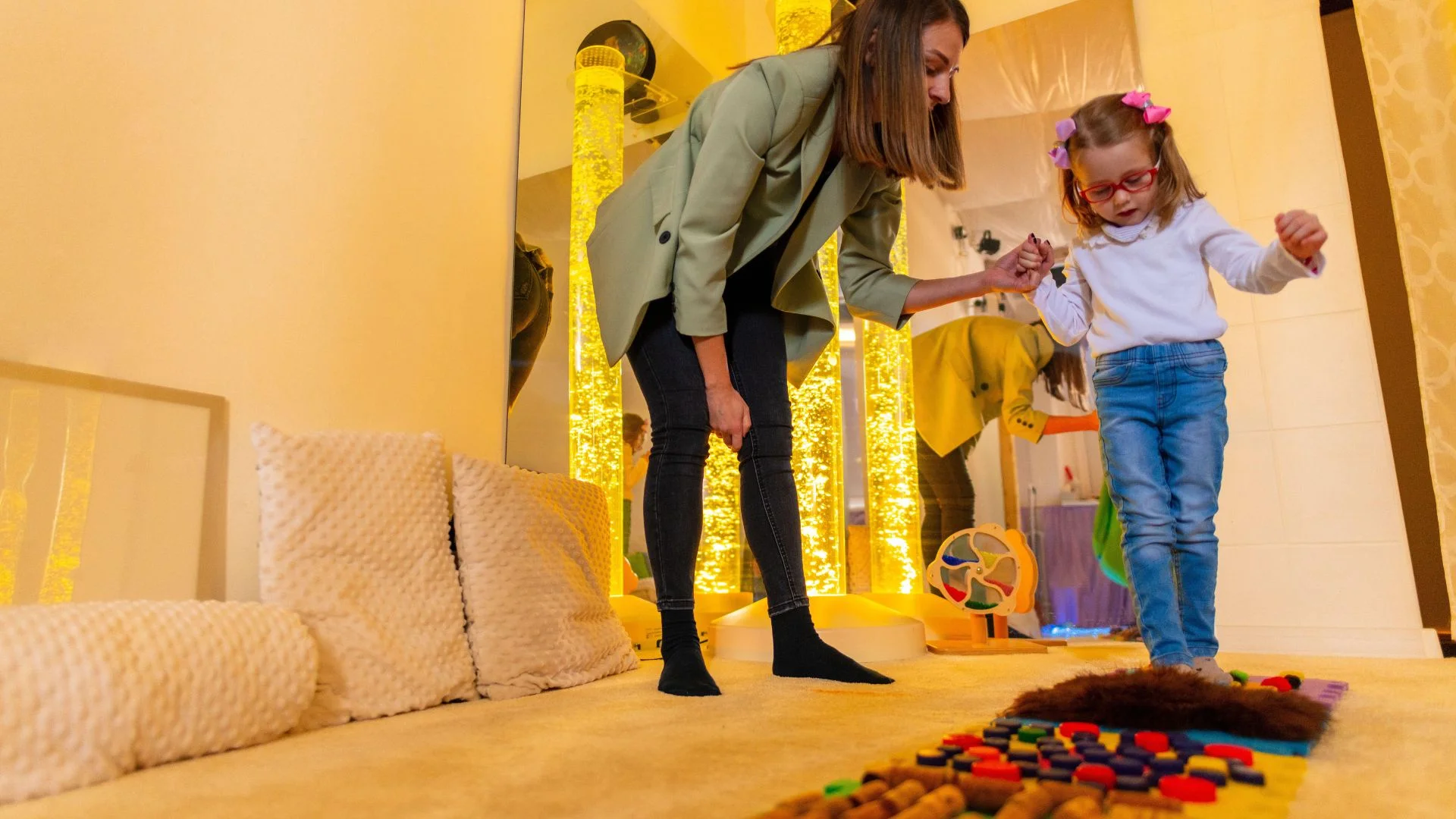
Lighting can also be used to help create different zones for learning within the classroom such as a calming corner or a sensory area. This is essential for students who require sustained concentration or benefit from lower-intensity lighting.
High-colour temperature lighting commonly used in classrooms can help with short bursts of focus for students who find it difficult to sustain attention long term. This bright lighting can also increase short-term alertness by increasing energy and activity levels.
Having the right light levels can reduce visual fatigue and help students remain comfortable for longer, making it easier for them to stay engaged with tasks. By supporting emotional wellbeing and comfort in the classroom, effective lighting design can help students feel more connected to their learning environment and motivated to engage fully.
Creating a calm environment for learning
Lighting plays a crucial role in creating a welcoming environment for children to feel safe and secure. The right lighting can create the ideal atmosphere for learning, as well as contribute to calmer, less disruptive behaviours.
Whereas bright lighting is essential for alertness and focus, warmer, lower-intensity lighting is more consistently associated with creating a calming atmosphere. Soft, balanced lighting can help establish a sense of comfort and emotional safety, which is essential for effective learning and for those experiencing anxiety or stress.
Warm or cool light tones in the classroom can affect children's emotional states, helping them to feel motivated, safe or relaxed in their environment. This can result in improved mood, behaviour and motivation, as well as enhance wellbeing in the classroom.
By setting the right mood and motivation in the classroom, lighting can positively influence behaviour and learning outcomes, especially for children with SEND or neurodiversity.
Promoting inclusivity and accessibility for all learners
All students should feel safe, included and able to thrive in their learning environment regardless of their needs or learning styles. For this reason, schools should ensure that they promote inclusiveness and flexibility in learning.
A comfortable classroom with adjustable lighting levels to accommodate all students is crucial for guaranteeing inclusivity and accessibility for all learners. For example, light can positively impact visually impaired learners, as high-contrast lighting can enhance visibility and provide a tactile and sensory-rich experience.
Tools such as glow sticks, lasers and flashing balls can help children with autism focus on their immediate environment without becoming overwhelmed.
These resources enable students to engage with materials in a way that fosters inclusion, exploration, independent learning and supports SEND differences.
Encouraging curiosity and exploration
Children learn best through sensory experiences and for those with SEND, it is important to have opportunities to play and explore. Light and glow resources offer children a unique way to learn through sight and touch. They also provide a safe outlet and a sensory experience for children to explore and become more curious and inquisitive.
Having tools that illuminate on touch can introduce students to the cause and effect concept, including the proper vocabulary for describing actions, reactions and outcomes. This sensory experience gives students the opportunity to learn and thrive while avoiding sensory overload.
By incorporating products that have a glow or light element, children and young people can use these sensory-led experiences to act on their curiosity. The curiosity approach supports hands-on Science, Technology, Engineering, the Arts and Mathematics (STEAM) learning by encouraging experimentation, problem solving and creative thinking.
What do you need to consider when incorporating light into the classroom?
Things to consider when incorporating light into the classroom to maximise learning include:
- Maximising natural light.
- Using layered lighting.
- Incorporating adjustable or dimmable lighting.
- Creating lighting zones.
- Choosing calm, appropriate light tones.
- Designing with sensory needs in mind.
- Using materials that reflect and soften light.
Recruit teaching staff
As a specialist education recruitment agency, we support mainstream and SEND schools with their temporary, permanent and temp-perm staffing needs.
We currently work with hundreds of schools and have exclusive access to some of the best Teachers and Teaching Assistants in the North West.
If you’re struggling to fill a teaching vacancy, why not get in touch with one of our team to see how we can help?
Primary schools - Jimmy Callagher
Secondary schools - Liam Jones
SEND schools - Jamie Heath
Teaching jobs
If you’re searching for your next teaching job, why not take a look at the latest teaching vacancies, or simply upload your CV to be notified when a relevant position becomes available.
Meet Jamie Heath
Who is Spencer Clarke Group?
Established in 2017, we’re an award winning and progressive recruitment agency based in the heart of the North West. Our reputation is built on trust, expertise and an unwavering commitment to exceed expectations.
In 2025, Spencer Clarke Group was awarded Best Public/Third Sector Recruitment Agency and Best Temporary Recruitment Agency at the Recruiter Awards. In 2024, Spencer Clarke Group was also named Recruitment Agency of the Year.