How to Engage Reluctant Readers in School
19 Mar, 2026





In this blog, you will learn:
Self-regulation is a crucial skill that allows children to manage their emotions and behaviour as they navigate learning and daily life. Self-regulation begins to develop in early childhood, but some children, particularly those with SEND, may find it difficult to master without guidance and support.
In this blog, we explore practical self-regulation strategies and classroom tools to help educators support children in building this essential skill. From sensory play and visual aids to calm down corners, there are many tools that provide children with the techniques they need to stay focused, calm and engaged.
By incorporating these tools into everyday classroom practice, Teachers can promote emotional, cognitive and sensory regulation for all children.
Self-regulation is the ability to regulate emotions, thoughts and behaviour, to maintain an appropriate level of alertness and self-control in different situations.
Self-regulating enables individuals to adapt to changing expectations and resist reacting in an overly emotional manner. Self-regulation allows people to handle frustration, calm themselves when they get upset and respond to potentially stressful situations in a way that supports their goals.
Self-regulation plays an important role in children's learning and builds key skills such as attention, problem-solving, persistence and positive social interaction. Self-regulation develops rapidly in early childhood through co-regulation, where adults and children work together to achieve a shared goal and return to a calm, balanced state.
Children model behaviour and learn from the adults around them, including Teachers and Teaching Assistants. Everyday interactions with teaching staff, along with the use of self-regulation tools, help children build these skills and take part fully in school life.
Self-regulation lays the foundation for future academic success and emotional wellbeing, helping better prepare children to navigate life beyond the classroom. It also supports the development of key skills including impulse control, behaviour management and emotional competence as well as self-direction and executive function.
Self-regulation is especially critical for children with SEND, as they often experience higher levels of sensory overload, anxiety and emotional dysregulation. Effective self-regulation skills help children cope with everyday stress, build better social interactions and engage more effectively in learning.
Effective self-regulation tools for the classroom include:
For children to thrive in the classroom, they need a stable, supportive learning environment. The classroom alone can’t always provide the time, space and guidance children need to manage their emotions, behaviours and impulses.
A sensory room is a quiet, designated room designed to help children calm down and reset. If space within schools is tight, sensory corners or calm down spaces also do the same job.
Sensory rooms and calm down spaces often include soft seating and sensory tools to help children regain a sense of control in challenging, emotional or overstimulating situations.
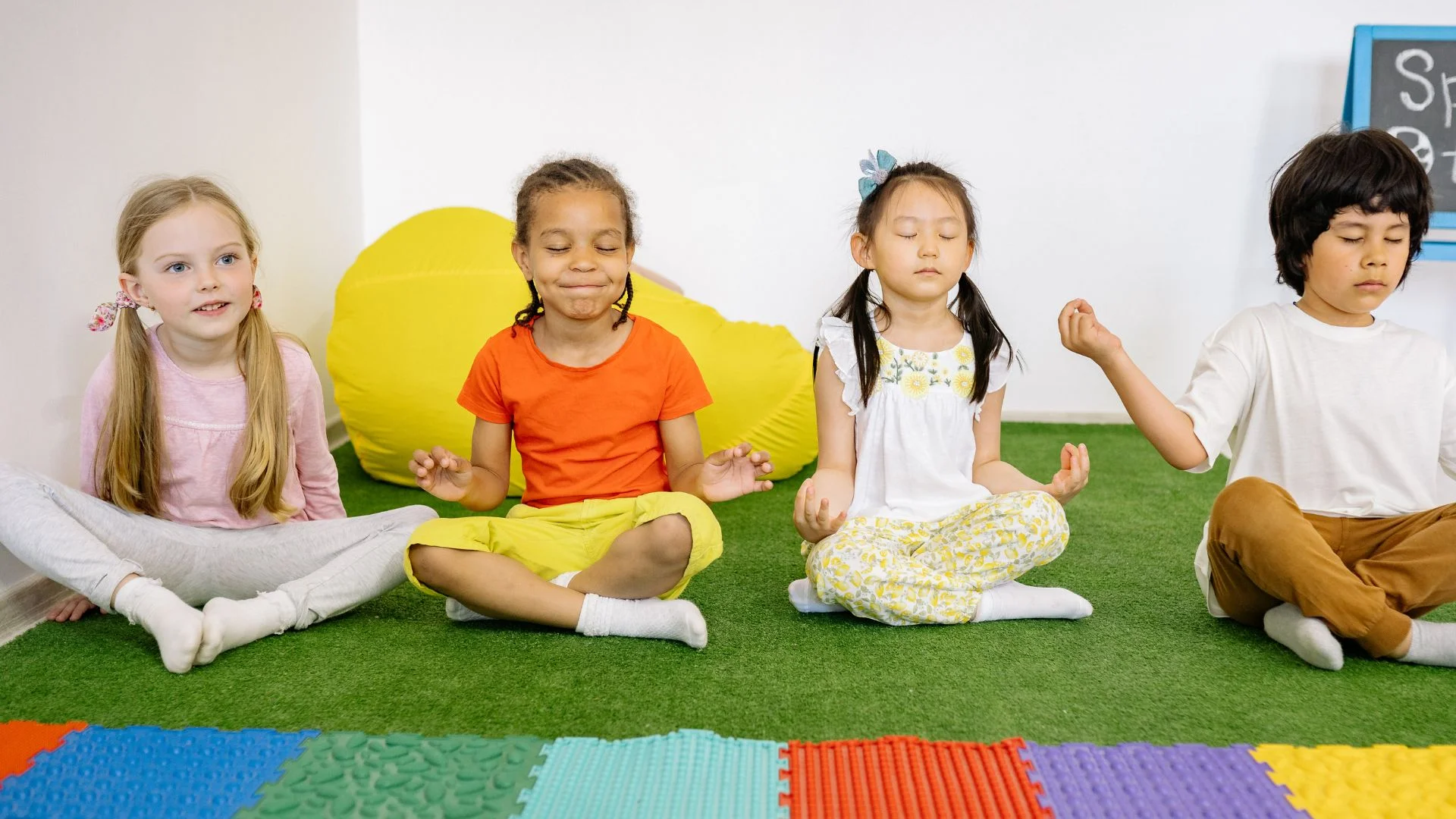
Calm down areas give children a safe space to practice breathing exercises and engage in sensory play. These spaces help children refocus their attention and regain control of the situation before emotions escalate.
Children with SEND can often become overwhelmed and experience sensory overload in the classroom. Sensory items, self-regulation tools and fidget toys are essential for helping children calm down and reach a regulated state.
Fidget tools such as balls, stretchy noodles, tangle toys or a sensory fidget jar can provide tactile stimulation to help children focus and release nervous energy. For children with SEND, fidget tools offer consistent and predictable sensory input that supports self-regulation.
Weighted therapy is a recognised sensory strategy that helps children with anxiety or sensory processing challenges feel grounded, stay focused on tasks and maintain their composure.
Weighted resources, such as lap pads or weight animals and sensory clothing, such as compression vests or shoulder wraps, can minimise distractions and support self-regulation throughout the day.
Some children, especially those with SEND or Social, Emotional and Mental Health difficulties (SEMH), can feel overwhelmed by change or a lack of consistency. When school life feels unpredictable and emotions run high, Teachers can create routines using visual aids in the classroom to ensure children feel calm, reassured and safe.
Tools such as emotion charts, timetables and visual timers can support self-regulation by providing structure, clarity and reassurance without relying on verbal communication. For example, visual timetables let children know what the day will hold and offer comfort and stability throughout their day.
Visual timers show the passage of time so children can see how long they have to complete an activity, play with a toy or take a moment to calm down.
Visual aids help children understand expectations and therefore can reduce the anxiety which might lead to dysregulation.
Similar to visual aids, communication resources reduce the escalation of emotions and support calmer, more focused responses from children. There are a variety of useful communication resources, including feelings cards and communication fans, that provide students with opportunities to identify and manage their feelings.
For example, traffic light fans are three-coloured cards students use to signal dysregulation and request support. The red card indicates that a child is feeling overwhelmed, amber shows they are fine but may need guidance and green means they are calm and ready to learn.
Communication resources help students recognise and express their feelings on their own before emotions escalate. This enables teaching and support staff to respond quickly and offer support such as breathing exercises or sensory breaks.
External factors such as background noise and sudden sounds can make it harder for children to manage their emotions, behaviours and impulses. In a loud, busy classroom, children, particularly those with SEND, may become overstimulated, struggle to focus and sometimes react with emotional outbursts.
Teachers can introduce ear defenders or sensory earplugs to help reduce auditory overstimulation and distractions, creating a more relaxed environment. When external factors are reduced, children can focus better, avoid irritations and respond more appropriately to different situations.
As a specialist education recruitment agency, we support mainstream and SEND schools with their temporary, permanent and temp-perm staffing needs.
We currently work with hundreds of schools and have exclusive access to some of the best Teachers and Teaching Assistants in the North West.
If you’re struggling to fill a teaching vacancy, why not get in touch with one of our team to see how we can help?
If you’re searching for your next teaching job, why not take a look at the latest teaching vacancies, or simply upload your CV to be notified when a relevant position becomes available.
Established in 2017, we’re an award winning and progressive recruitment agency based in the heart of the North West. Our reputation is built on trust, expertise and an unwavering commitment to exceed expectations.
In 2025, Spencer Clarke Group was awarded Best Public/Third Sector Recruitment Agency and Best Temporary Recruitment Agency at the Recruiter Awards. In 2024, Spencer Clarke Group was also named Recruitment Agency of the Year.